
Concerned over the drying up of the Mt. Tiyi water source that feeds Wokha town, Achumbemo Kikon, MLA and secretary general of NPF, who is also chairperson of the NLA Committee on Climate Change, convened a review meeting with officials of the District Administration and Wokha Town Council (WTC) on January 22, calling for urgent conservation measures to safeguard water security.
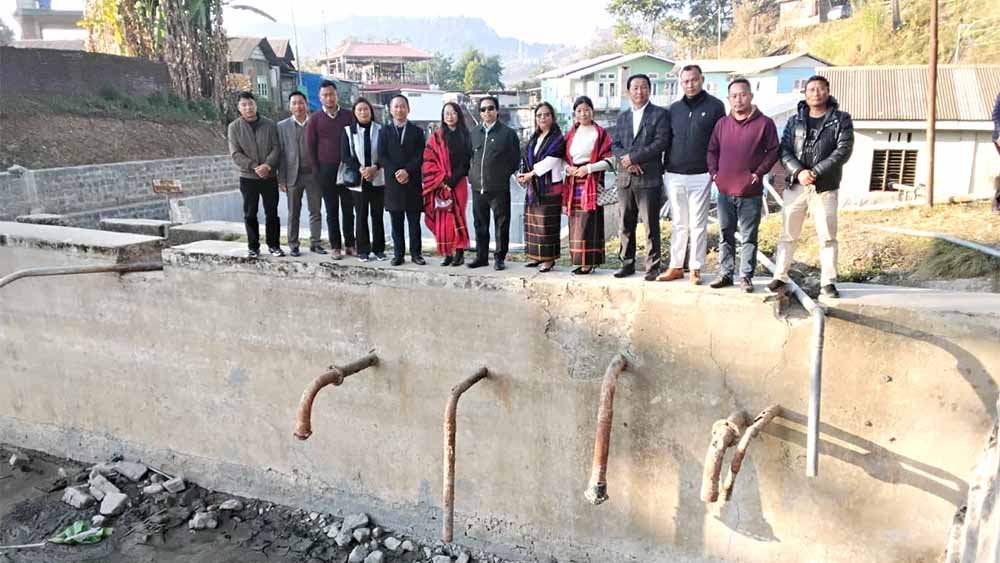
According to NPR press bureau, officials from the DC’s office briefed Achumbemo on the reduced discharge from the source, while WTC reported that the town’s historic Etsu-Cukha well—used by residents for more than a century—had dried up even before the onset of the dry season. The depletion was attributed to deforestation in the catchment area and unregulated drilling of borewells. Following the meeting, Achumbemo and officials visited the Etsu-Cukha well, which locals said had dried up for the first time this year. Known as “The Elite Well” during British rule, the well was once regarded as a dependable community water source.
Terming the situation “alarming,” Kikon stressed the need for a scientific assessment of the water source and long-term catchment protection.
He identified afforestation as a core intervention, noting that increasing green cover would enhance groundwater recharge and restore ecological balance.
As an immediate step, the meeting resolved that each council member would plant and nurture at least 20 saplings, making the plantation drive accountable rather than symbolic. Achumbemo also proposed workshops and seminars on climate change and environmental protection, alongside segregation of biodegradable and non-biodegradable waste to reduce ecological stress.
He urged the Town Council to discourage random borewell extraction and promote responsible water usage, calling for a massive plantation drive even before World Environment Day. Kikon also urged the Forest department to extend full cooperation for plantation and catchment protection activities.
Nagaland: Action sought for water crisis in Wka
DIMAPUR