
The Meghalaya Cabinet has approved a six-month extension of the Garo Hills Autonomous District Council (GHADC), pushing its term from April 18 to October 18, 2026, following violent clashes over the participation of non-tribals in tribal council elections.
Deputy Chief Minister Prestone Tynsong described the move as a “landmark decision,” stressing that the postponement was necessary due to law and order concerns. “People’s aspiration is against the participation of the non-tribals in the House of the GHADC,” he told reporters after the meeting, which was chaired virtually by Chief Minister Conrad Sangma.
The extension comes in the wake of political upheaval within the GHADC. On Monday, senior National People’s Party (NPP) leader Dormonath Ch. Sangma was elected as the new Chief Executive Member (CEM), replacing Albinush Marak, who resigned before a no-confidence motion could be tabled. Sangma secured support from 17 NPP members and four Trinamool Congress (TMC) legislators, who had earlier informed Governor C.H. Vijayashankar of their loss of confidence in Marak.
The clashes erupted on March 9 in Tura, headquarters of West Garo Hills district, after the GHADC issued a controversial notification barring non-tribals from contesting elections. The Meghalaya High Court later quashed the notification, ruling that it bypassed legislative procedures. Despite this, tensions escalated when former MLA S.G. Esmatur Mominin, a Bengali-speaking Muslim, attempted to file his nomination as an Independent candidate. He was assaulted by miscreants outside the Deputy Commissioner’s office, sparking widespread communal violence.
The unrest claimed two lives in Chibinang on March 10 and left several injured, deepening ethnic fault lines between the Garo community and Bengali-speaking Muslims. Tynsong said the six-month extension would provide space for dialogue, allowing the state government and the new GHADC executive committee to consult stakeholders on candidate eligibility rules and possible amendments. “We leave it to the wisdom of the new executive committee to take a call on the issue of scheduled tribe or the issue of non-tribals participating and contesting the GHADC elections,” he added.
The decision underscores the government’s attempt to balance tribal aspirations with constitutional safeguards, while addressing the volatile situation in the Garo Hills. With elections postponed, the coming months are expected to be crucial in shaping the future of representation in the autonomous council.
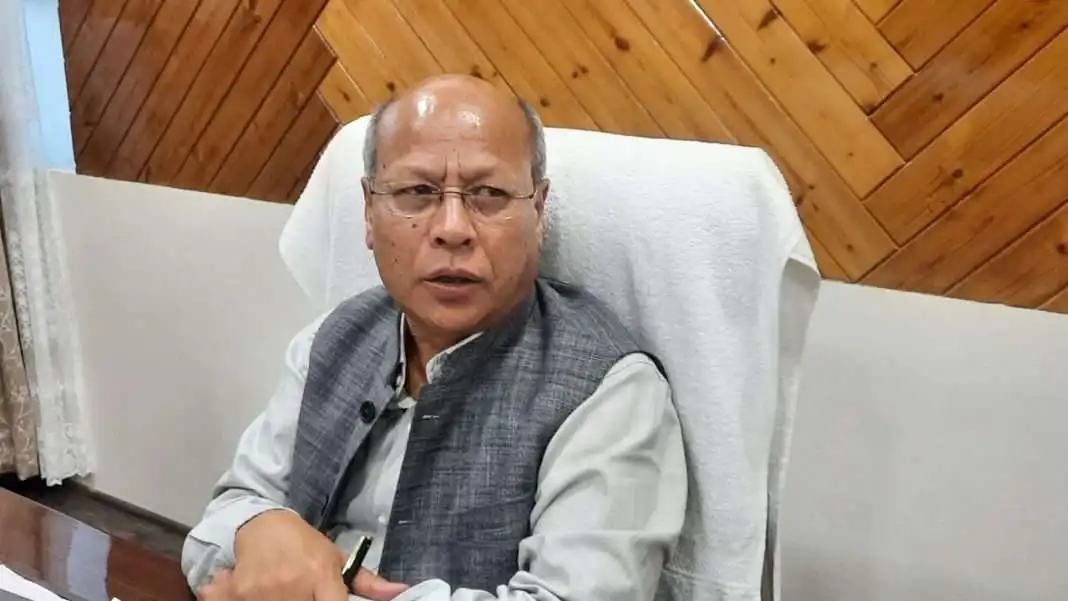
Meghalaya cabinet extends GHADC term amid clashes
CorrespondentShillong, Mar 16: