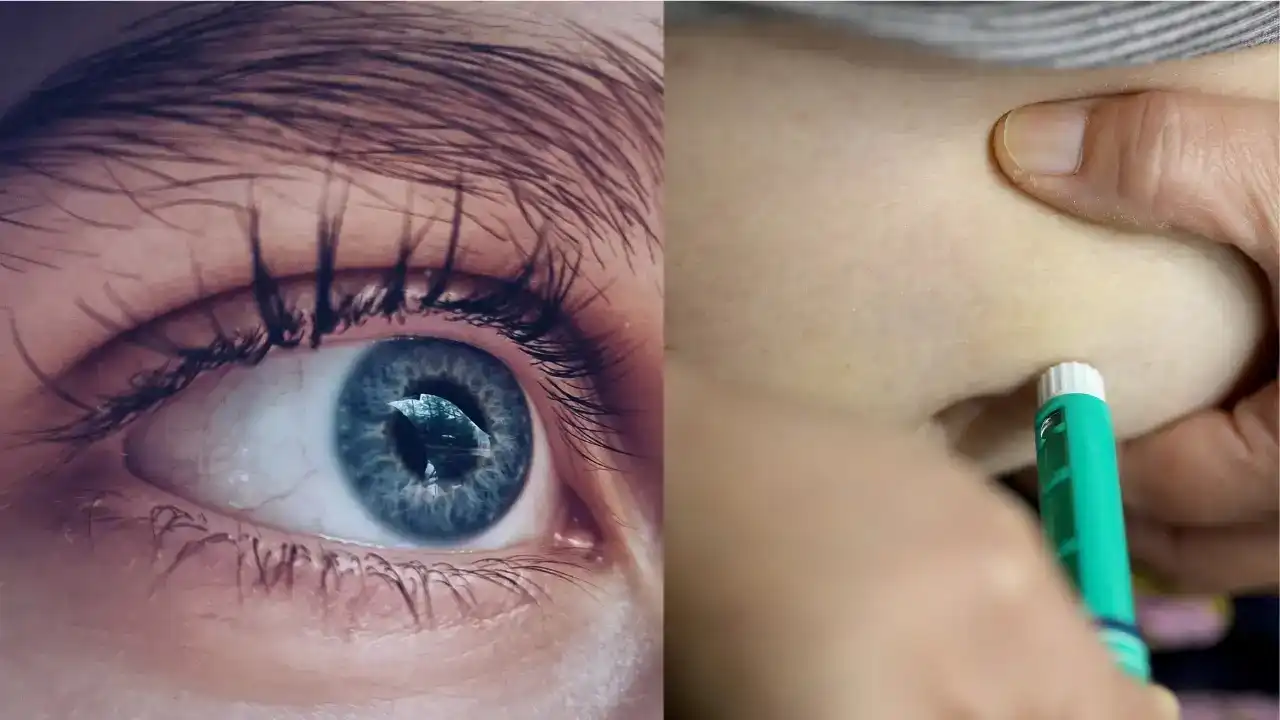
A new study found that users of Wegovy have nearly five times the risk of ischemic optic neuropathy (ION), compared to Ozempic users. ION, also known as ‘eye stroke’, is a condition that happens due to reduced blood flow to the optic nerve.
Weight loss drugs have become extremely popular with people using them to address their body weight issues. A new study found that users of Wegovy, a popular weight-loss drug, have nearly five times the risk of ischemic optic neuropathy (ION), compared to Ozempic users. ION, also known as ‘eye stroke’, is a condition that happens due to reduced blood flow to the optic nerve. It causes sudden and usually painless vision loss. The study was published in the British Journal of Ophthalmology. Earlier studies have found links between GLP-1 use and blurry vision, diabetic retinopathy, age-related macular degeneration (AMD), and nonarteritic anterior ischemic optic neuropathy (NAION).
Researchers of the new study also found that this ION risk is almost three times higher in men than in women. The findings of the study come from FDA adverse event reports which highlights potential dose-related differences in semaglutide-based GLP-1 agonists.
GLP-1 receptor agonists a class of drugs, both injectable or oral, that mimic the natural hormone GLP-1 produced in the intestines after eating. They activate GLP-1 receptors throughout the body, primarily to manage type 2 diabetes and obesity by improving blood sugar control and help in weight loss. GLP-1 drugs also slow gastric emptying, helping lower post-meal blood sugar spikes and improve satiety signals to the brain, which can help curb appetite and calorie intake. Some of the popular GLP-1 drugs are Ozempic, Wegovy, Rybelsus, Mounjaro, Zepbound.
Most of these drugs were originally used to treat type 2 diabetes. However, they are now approved for chronic weight management in non-diabetics. Clinical studies show significant reductions in A1C levels, body weight, and cardiovascular risks.
Researchers analysed over 30 million side effect reports in the FDA Adverse Event Reporting System (FAERS) from December 2017 to December 2024. They focused on the following semaglutide medications: Ozempic (up to 2 mg weekly for diabetes), Wegovy (up to 2.4 mg weekly for obesity), and Rybelsus (daily oral for diabetes).
(NDTV)