District and Charge Officer training programmes for Census of India 2027 concluded in Chumoukedima and Longleng, equipping officials with field-level skills and digital tools for the upcoming exercise.
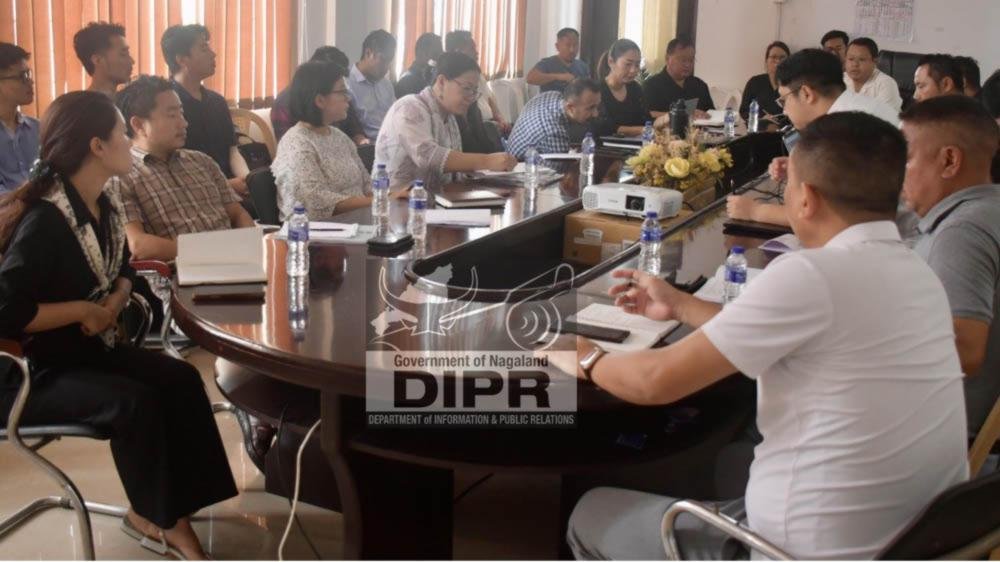
According to DIPR report, in Chumoukedima, the two-day training programme held at the DC’s Conference Hall concluded on April 18. Deputy Commissioner Polan John, in his address, underscored the importance of mutual support and coordination among officials to ensure smooth execution of the census operation. The second day focused on operational procedures including self-enumeration, preparation of village, town and charge registers, and detailed sessions on census concepts and definitions. Officials were also trained on Household Listing Operations (HLO) questionnaire items to ensure clarity and accuracy.
Hands-on sessions familiarised participants with the District Census Handbook (DCHB) process through web portal and mobile application, enhancing efficiency in digital data management. The programme concluded with a valedictory session where participants reflected on key learnings and stressed preparedness, coordination and dedication for the success of Census 2027.
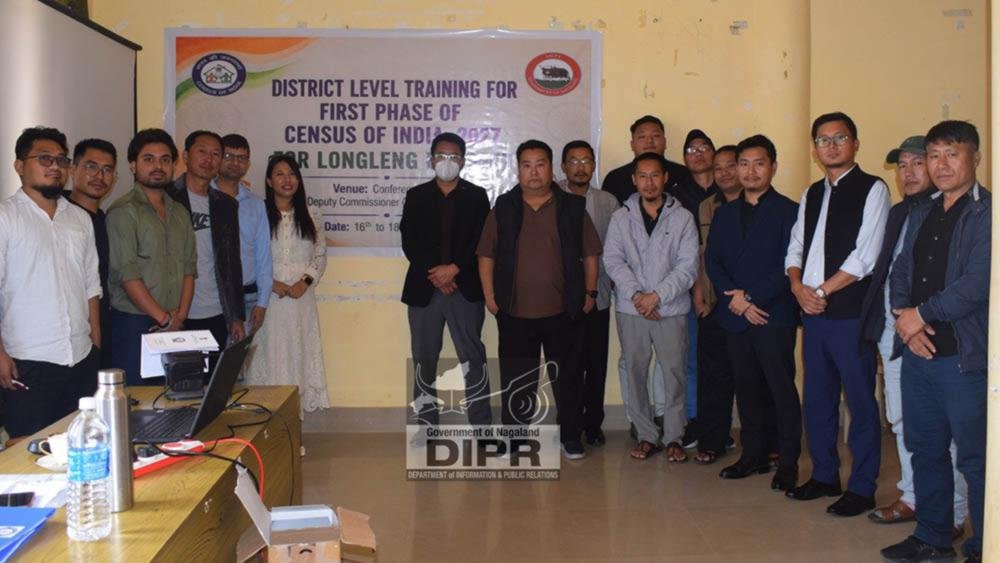
Meanwhile, in Longleng, a three-day district-level training for the first phase of Census 2027 was conducted from April 16 to 18. Deputy Commissioner W. Manpai Phom, in his welcome address, highlighted the importance of accurate data collection and coordinated efforts. The training was attended by principal Census Officer, District Census Officer, Charge Officers and staff.
Sessions covered census procedures, legal provisions, roles of functionaries and extensive training on the Census Management and Monitoring System (CMMS). Participants also received practical training in HLB carving, layout map preparation, mobile app usage and data verification. Emphasis was laid on data ethics, privacy, security and addressing field-level challenges to ensure reliability.
The programme concluded with a reflection and valedictory session, followed by a vote of thanks from EAC Imkongnukla Ao, acknowledging the contributions of officials and participants.
District and Charge Officer training programmes for Census of India 2027 concluded in Chumoukedima and Longleng, equipping officials with field-level skills and digital tools for the upcoming exercise.
According to DIPR report, in Chumoukedima, the two-day training programme held at the DC’s Conference Hall concluded on April 18. Deputy Commissioner Polan John, in his address, underscored the importance of mutual support and coordination among officials to ensure smooth execution of the census operation. The second day focused on operational procedures including self-enumeration, preparation of village, town and charge registers, and detailed sessions on census concepts and definitions. Officials were also trained on Household Listing Operations (HLO) questionnaire items to ensure clarity and accuracy.
Hands-on sessions familiarised participants with the District Census Handbook (DCHB) process through web portal and mobile application, enhancing efficiency in digital data management. The programme concluded with a valedictory session where participants reflected on key learnings and stressed preparedness, coordination and dedication for the success of Census 2027.
Meanwhile, in Longleng, a three-day district-level training for the first phase of Census 2027 was conducted from April 16 to 18. Deputy Commissioner W. Manpai Phom, in his welcome address, highlighted the importance of accurate data collection and coordinated efforts. The training was attended by principal Census Officer, District Census Officer, Charge Officers and staff.
Sessions covered census procedures, legal provisions, roles of functionaries and extensive training on the Census Management and Monitoring System (CMMS). Participants also received practical training in HLB carving, layout map preparation, mobile app usage and data verification. Emphasis was laid on data ethics, privacy, security and addressing field-level challenges to ensure reliability.
The programme concluded with a reflection and valedictory session, followed by a vote of thanks from EAC Imkongnukla Ao, acknowledging the contributions of officials and participants.