
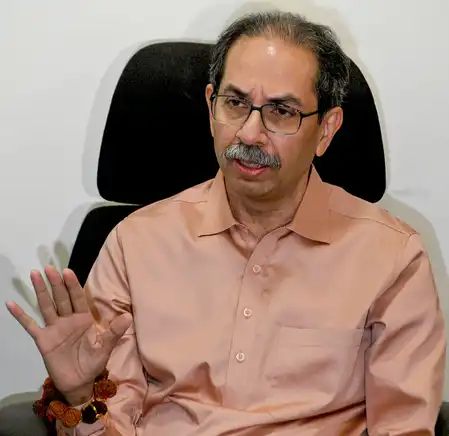
The recent defection of seven AAP MPs, including prominent figure Raghav Chadha, into the BJP has raised eyebrows and led to strong criticism from the Shiv Sena (Uddhav Balasaheb Thackeray) camp. In an editorial published in their mouthpiece, Saamana, the Shiv Sena labeled this transition a “merger of corruption,” fostering concerns regarding the integrity of Indian politics.
The Thackeray faction did not hold back in their criticism, particularly targeting leaders like Chadha, who previously denounced the BJP as a “party of goons.” They suggested that these leaders’ entry into the BJP represents a strategic bid to evade legal issues, insinuating they have washed their past corruption clean within the BJP’s so-called “washing machine.” This metaphor highlights the claim that allegations of corruption, such as the charges against Chadha related to the Delhi liquor scam, are overlooked in exchange for political gain.
Amidst this political turmoil, the Uddhav camp voiced a belief that this merger violates constitutional provisions, particularly concerning the Tenth Schedule of the Indian Constitution. They argue that even a two-thirds majority cannot legitimize a defection, which they describe as unconstitutional. Furthermore, they reflect on the broader implications for democracy and governance, questioning the respect for constitutional guidelines by current authorities and the Election Commission. They highlight past incidents where defectors continued to wield power despite overwhelming evidence of corruption, raising further doubts about the integrity of political transitions.