
Correspondent
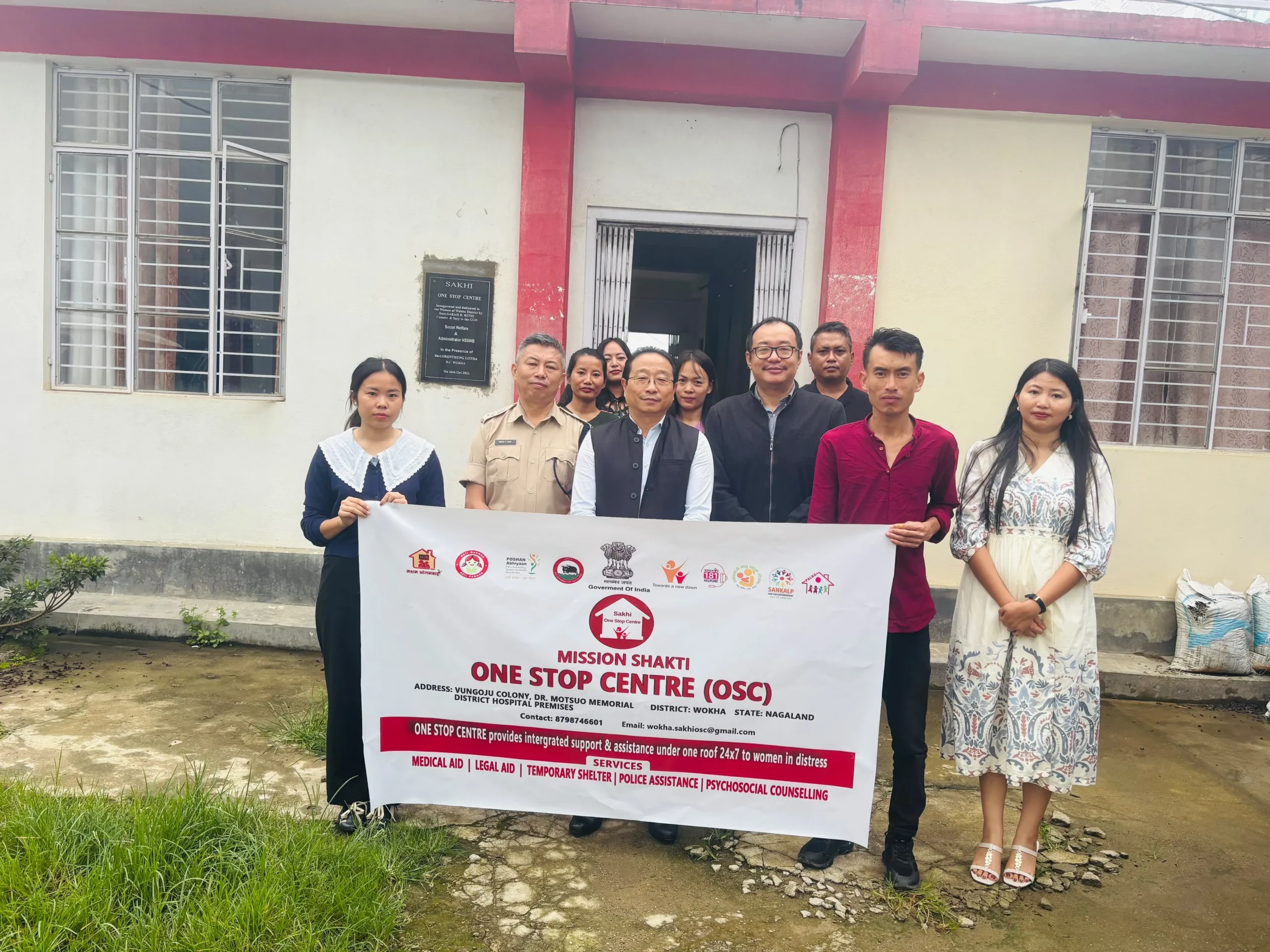
WOKHA, JUL 16 (NPN): The Sakhi One Stop Centre (OSC), Wokha, on July 16 concluded a 10-day specialised training programme for its security personnel at the OSC premises, District Hospital, Wokha. The training was organised to equip security guards with the skills needed to effectively safeguard women affected by violence while handling sensitive situations involving police, legal and emergency services.
Deputy Commissioner of Wokha and chairperson of Mission Shakti, K. Mhathung Tsanglao, who attended the valedictory programme as the special guest, described the training as a significant step towards strengthening the services of the One Stop Centre. He said the centre handles delicate cases involving survivors of violence, many of which require close coordination with the police and legal authorities.
Stressing the importance of professional training, he said security personnel play a crucial role in ensuring the safety, dignity and well-being of women seeking assistance.
Superintendent of Police, Wokha, T. Relo Aye, commended the Sakhi One Stop Centre for its dedicated work and appreciated the team for maintaining a proper, organised and welcoming environment. He said a well-maintained office and shelter help create a sense of safety and comfort for women approaching the centre during difficult times, while also contributing positively to their mental well-being.
DPO/DNO and member secretary, Mission Shakti and BBBP, Bonathung Ngullie, also lauded the initiative, describing it as timely and much needed. He encouraged the trainees to carry out their responsibilities with dedication and professionalism.
Speaking on behalf of the participants, the trainees expressed gratitude to the organisers and resource persons, stating that the programme enhanced their understanding of emergency response, situational awareness and crisis management.
They said the practical knowledge and skills gained during the 10-day training would enable them to perform their duties more effectively.
The training covered situational awareness, access control, de-escalation techniques, basic self-defence and rescue, crisis management, gender sensitivity, legal awareness, evacuation procedures and coordination with police and emergency services. Certificates were distributed to the trainees during the closing ceremony.
The programme was chaired by case worker Chonbeni R. Ezung. Welcome remark was delivered by centre administrator Thungbeni Kikon and the programme concluded with closing remark by legal case worker Nzammongi Odyuo.