
Staff Reporter
DIMAPUR, SEP 4 (NPN): Electricity consumers in Dimapur have raised concerns over the digital meter reading and billing system, alleging difficulties in submitting meter readings, resolving billing discrepancies and dealing with unusually high or accumulated bills.
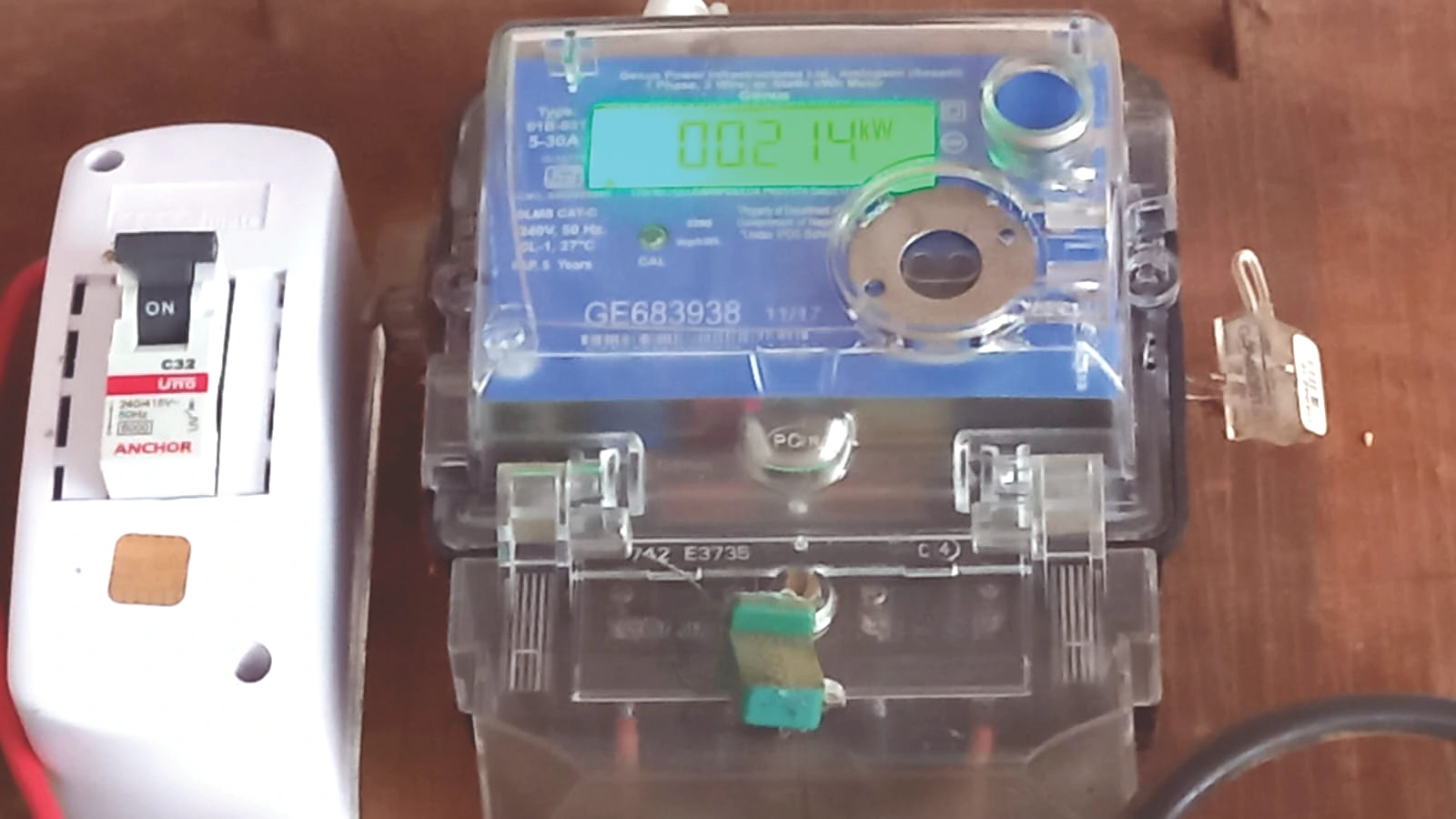
Interacting with Nagaland Post, several consumers said regular door-to-door meter reading by power department personnel had largely stopped, leaving consumers responsible for recording and submitting their own readings.
Under the present system, consumers are required to press a button on the digital meter, photograph the displayed reading and submit it for billing. They then have to visit the respective electricity offices to pay bills and collect receipts. There are three electrical sub-divisions — sub-division No-I at PWD Junction, sub-division No-II at Burma Camp and sub-division No-I at DC Court.
Consumers questioned whether they could be expected to determine if a meter was functioning correctly or whether a technical fault was affecting consumption records. They argued that physical meter reading and verification should remain primarily the responsibility of trained departmental personnel.
They said introduction of prepaid meters has also not resulted in a complete shift to the new system, with some consumers continuing to use existing digital meters. Consumers said this has created two systems of electricity metering and raised questions about proposals to make prepaid metering compulsory.
They said adequate safeguards, meter verification and accessible grievance-redress mechanisms should be in place before any compulsory transition, particularly given the billing concerns under the existing system. A major concern raised was the accumulation of bills when monthly readings were not submitted. Consumers said missed readings for one or more months could result in subsequent bills reflecting accumulated consumption, with some claiming that bills had become more than 10 times their usual monthly payments.
Some consumers also claimed to have received monthly bills of Rs. 20,000 to Rs. 30,000 despite not using air-conditioners and relying mainly on ordinary household appliances.
Further, consumers questioned how disputed bills were revised. They claimed that in some cases, when accumulated bills reached around Rs. 1 lakh, officials allegedly allowed deductions after consumers raised complaints, without providing a clear explanation of how the revised amount had been determined.
One consumer claimed that a bill accumulated to about Rs. 25,000 over three months. After requesting that it be reduced to around Rs. 12,000, the consumer said the department accepted the reduced amount but did not explain the verification process behind the revision.
Consumers acknowledged that households using air-conditioners and other high-power appliances would naturally consume more electricity. However, they said unusually high bills should be physically verified before payment was demanded.
They also sought clarification on whether digital meters and meter boxes were regularly inspected for tampering, malfunction or abnormal consumption. Another concern was whether irregular meter-reading submissions and accumulated bills could have implications for consumers who regularly submit readings and pay on time.
The consumers called for the resumption of door-to-door meter reading, saying physical visits by trained personnel would allow accurate recording and help identify technical problems at the household level.
They also urged the power department to establish a systematic mechanism for handling complaints related to abnormal readings and inflated bills, conduct regular physical meter verification and provide timely explanations for disputed bills.
Consumers said digitalisation should improve efficiency and transparency rather than transfer technical responsibilities to consumers without adequate support.
They maintained that any move to make prepaid meters compulsory should be accompanied by consumer awareness, transparent billing procedures, reliable meter verification and an accessible grievance-redressal mechanism, while electricity charges should be based on actual and verified consumption.