
Staff Reporter
DIMAPUR, SEP 5 (NPN): The Pitt Rivers Museum (PRM) at the University of Oxford has approved the return of 39 Naga ancestral human remains held in its collection, marking a major step towards their repatriation to Nagaland.
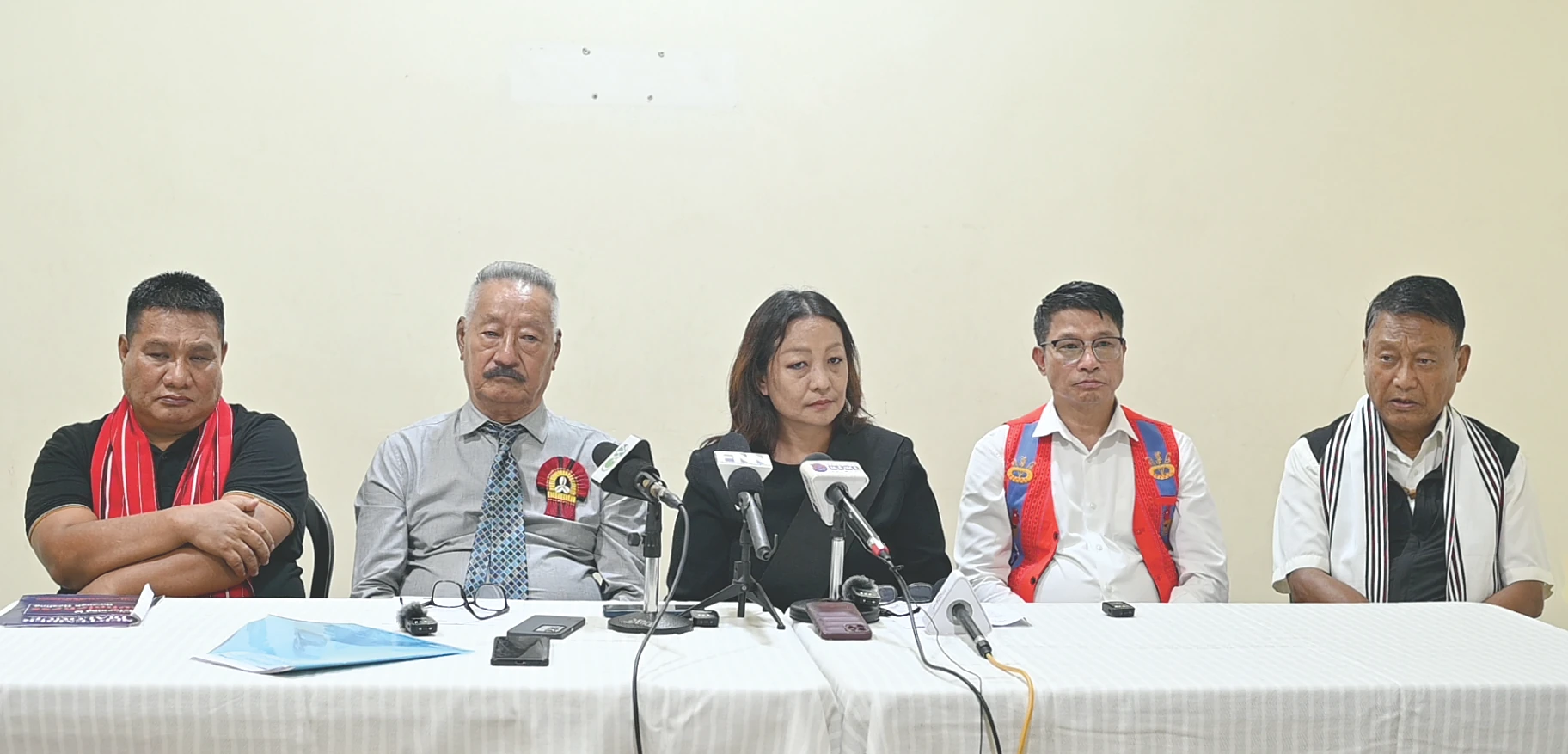
The decision was announced by the Forum for Naga Reconciliation (FNR) at a press conference in here on Saturday. FNR convener Rev. Dr. Wati Aier read out a formal letter from PRM Director Prof. Laura Van Broekhoven confirming the decision. The letter said the University of Oxford Council, at its meeting on July 13, 2026, had agreed to return 39 human remains, while declining the return of one additional remain because its provenance as Naga could not be clearly established. Van Broekhoven thanked Naga tribal hohos, the FNR and the Recover, Restore and Decolonise (RRaD) team for their work since the repatriation process began in 2020.
“We hope we can now commence the work — together with the FNR, the Naga Tribe Hohos, and with the support of the RRaD team — towards the bringing home of the Naga ancestors to their homeland,” the letter said.
Addressing the press conference, FNR-RRaD coordinator Rev. Dr. Ellen Konyak said the effort to bring the remains home had been six years in the making.
She said Van Broekhoven reached out to the FNR in 2020 to facilitate the repatriation process. The FNR subsequently established the RRaD research initiative with Naga academics Dolly Kikon, a professor in the United States, and Arkotong Longkumer, a professor in the United Kingdom. The initiative worked with Naga tribal hohos, church leaders, students and communities across the Naga homeland to raise awareness and build support for the repatriation effort, Konyak said.
In June 2025, a delegation of Naga tribal hoho leaders, elders, and FNR and RRaD members travelled to the Pitt Rivers Museum to see and bear witness to the ancestral remains for the first time.
Following consultations with museum representatives from June 9-13, 2025, the delegation issued the Naga Oxford Declaration on Repatriation on June 13.
The declaration expressed gratitude to the ancestors and acknowledged the decades-long effort to reclaim and return them to their homeland.
Konyak said the repatriation process was about the “healing and wholeness of Naga people” and called for the return to be guided by a united Naga voice, mutual respect and consensus. She also stressed the need for a dignified resting place symbolising the unity of the Naga people.
She described the Oxford Council’s decision as making the “Path Home for the Naga Ancestors” a reality.
“Repatriation is not simply about ancestral remains finding their way back to the land, but also about memory returning to where it belongs,” she said, describing the decision as an essential step towards justice, dignity, healing and wholeness.
Konyak also expressed solidarity with Indigenous peoples elsewhere pursuing similar repatriation efforts, saying such processes could contribute to decolonisation, justice and peace.
Asked about a burial site for the remains, APO president Thejao Vihienuo said a site had been identified. He said discussions were under way with the state government and expressed hope that a suitable venue would soon be allocated for their dignified burial.
A Naga delegation led by tribal hoho leaders, together with members of the FNR-RRaD, is expected to travel to the Pitt Rivers Museum to formally claim and facilitate the return of the ancestral remains.