
Correspondent
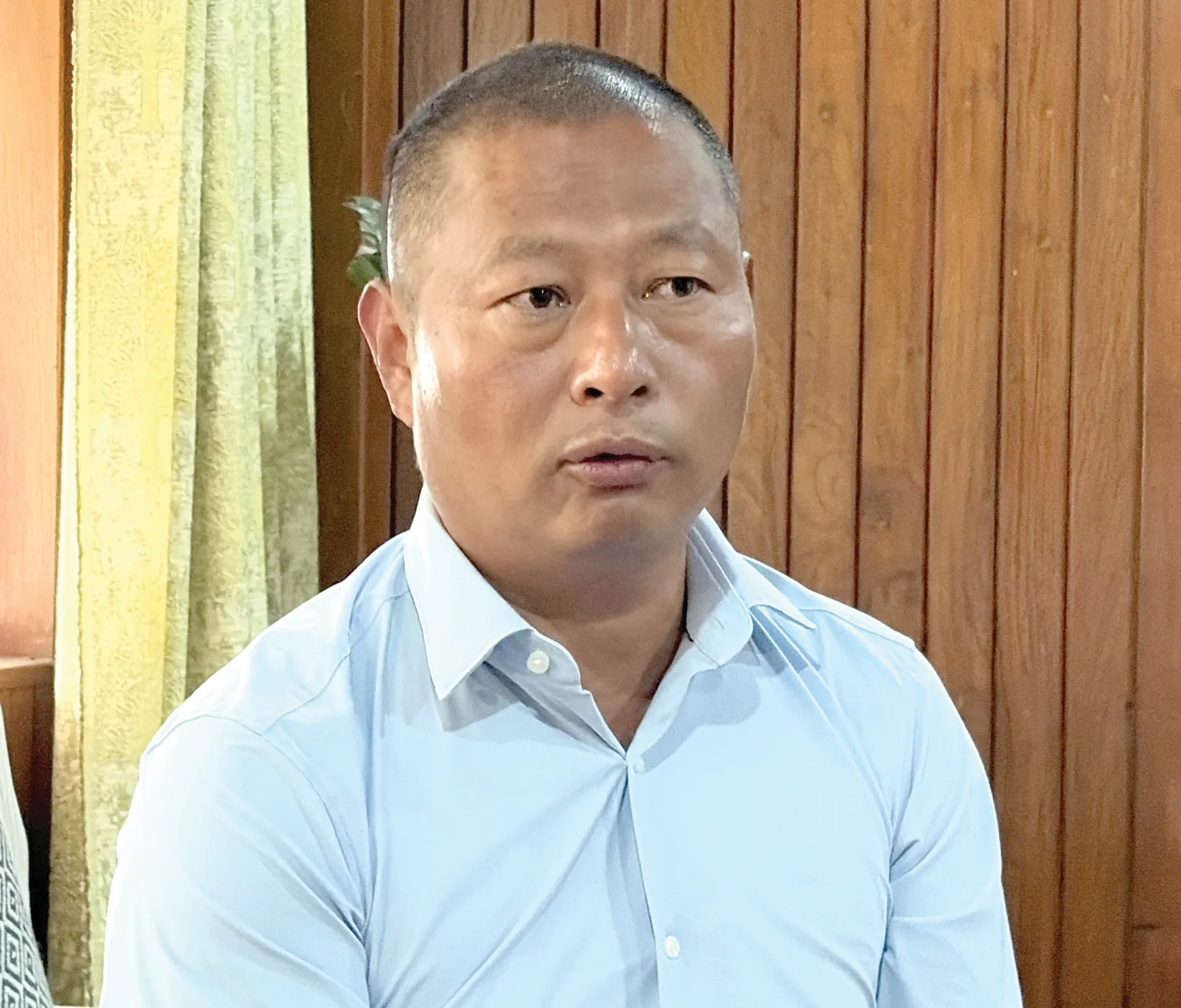
KOHIMA, OCT 12 (NPN): A cabinet sub-committee has recommended termination of 15 appointments made against unsanctioned posts and posts under the Nagaland Public Service Commission (NPSC) without open advertisement, among 107 cases flagged by the Naga Students’ Federation (NSF), advisor for school education Dr. Kekhrielhoulie Yhome said on Monday.
The panel has also recommended action against appointments made in violation of the government’s ban on fresh recruitment imposed in April 2020. Its recommendations will be placed before the Cabinet for a final decision.
Addressing the media after a meeting between the sub-committee and NSF here, Yhome said the federation had submitted 109 entries for scrutiny, but two were duplicates, leaving 107 cases. The committee had furnished relevant documents and classified the appointments according to the circumstances in which they were made, he said.
Of the cases examined, 19 involved employees appointed around 30-33 years ago whose services were being regularised under government policy. Yhome said these had to be distinguished from appointments made in violation of government orders. The panel recommended termination in 12 cases involving appointments to posts under NPSC without open advertisement and three appointments against unsanctioned posts. Four other cases involving improper procedures had already resulted in termination, he said.
The remaining 69 cases required further consideration. These included 22 appointments made despite the government’s April 21, 2020, ban on fresh recruitment, imposed as part of austerity measures during the Covid-19 pandemic.
Yhome said the 22 appointments fell under the Temporary PIMS category and were also among 786 appointments identified by the government as having been made in violation of the ban. However, reversing appointments already made could lead to prolonged litigation, he said, citing his experience in the school education department, where he had encountered 178 court cases relating to service matters after taking charge.
He said the government could not treat every appointment alike, as some had been made under applicable rules and government orders while others had disregarded standing instructions. The circumstances of each case would have to be examined before a decision was taken.
Yhome also called for accountability among officials who authorised appointments in violation of government orders. Departmental directors and other appointing authorities were responsible for ensuring compliance, he said.
He suggested that the government consider reviewing the pensions of officials found responsible for irregular appointments, noting that some had died while others had retired and were drawing pensions.
Clarifying that the proposal was his personal opinion and not the government’s position, he said officials who authorised such appointments should also be held accountable.
Describing the appointments as dangerous, Yhome said they could endanger people’s lives, give false hope to those brought into the system and impose a financial burden on the state exchequer. Irregular recruitment also denied deserving candidates a fair opportunity, he added.
NSF has pursued the issue since 2019, when it submitted a representation to the chief minister seeking an end to departmental examinations and adherence to proper recruitment procedures. Yhome credited the federation with helping bring the Nagaland Staff Selection Board (NSSB) into existence.
Since the appointment of its chairperson in February 2022, the NSSB has conducted eight examination cycles, resulting in 1,511 appointments, he said. The board had strengthened transparency in recruitment to Group C posts, where backdoor appointments were now under control, he added.
Yhome estimated that only 6-8% of government appointments were made through NPSC, with most recruitment to Group C posts handled by NSSB.
The school education department, however, continued to face problems inherited from past recruitment practices, including excess teachers and appointments of people without the required qualifications, he said.
He also referred to the government’s decision to integrate 367 teachers appointed under the centrally sponsored Rashtriya Madhyamik Shiksha Abhiyan (RMSA) into regular service. Nagaland had 5,008 teachers under centrally sponsored schemes, he said, leaving many outside regular government service despite the integration.
The cabinet sub-committee was constituted this year after NSF approached the government through the chief secretary. Yhome said the panel had explained the applicable procedures to the federation, while the Personnel and Administrative Reforms department had been asked to furnish documents in some cases. Other cases would await a Cabinet decision.
No special exemption from N-TET
Yhome also ruled out any special exemption from the Nagaland Teachers Eligibility Test (N-TET) for pre-Right to Education (RTE) teachers, saying the state government could not deviate from a Supreme Court directive.
He said the government would not take a different stand or extend special consideration to teachers who had entered service with the qualifications required at the time of their appointment but had continued working for decades without obtaining further qualifications.
Yhome said in-service training programmes were available and the eligibility tests were intended to ensure that teachers met prescribed requirements. Failure to qualify could affect promotion prospects and other service-related benefits, including remuneration, although the specific implications would depend on the applicable rules.
He acknowledged that some serving teachers considered the examination beneath their experience and professional standing, adding that he had already explained the government’s position to them.
The joint coordination committee (JCC) subsequently submitted a representation to the chief minister seeking consideration of its demand. However, Yhome reiterated that the government would not grant any special exemption.