
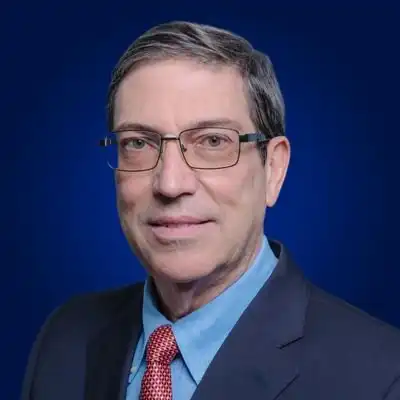
Cuba has strongly denounced the latest sanctions imposed by the United States, describing them as “unilateral coercive measures” that amount to collective punishment of the Cuban people. Foreign Minister Bruno Rodriguez said the measures violate the UN Charter and are extraterritorial in nature, stressing that Washington has no right to impose restrictions on Cuba or third countries. His remarks came on May Day, when millions of Cubans traditionally take to the streets to protest against the long‑standing US blockade and energy siege.
The sanctions were announced through an executive order signed by US President Donald Trump, targeting property and interests linked to Cuba’s energy, defense, mining, financial, and security sectors. The order blocks assets under US jurisdiction and extends penalties to foreign financial institutions that conduct significant transactions with Cuban entities, effectively seeking to cut Havana off from the global banking system. Cuban officials warned that the measures will intensify economic hardship, undermine international law, and further isolate the island nation.
Rodriguez emphasized that the sanctions are designed to weaken Cuba’s economy and sovereignty, while also discouraging international partners from engaging with Havana. He accused Washington of attempting to impose extraterritorial control and collective punishment, framing the move as part of a broader strategy to destabilize Cuba. The Cuban government vowed to resist the measures, calling on the international community to reject what it sees as unlawful interference in its internal affairs.