
Correspondent
KOHIMA, NOV 16 (NPN): Advisor for Information and Public Relations and Soil & Water Conservation, Daochier I Imchen, has urged journalists to prioritise facts, accuracy and responsibility over sensationalism and popularity, saying credibility depended on reporting what was right rather than being first to break the news.
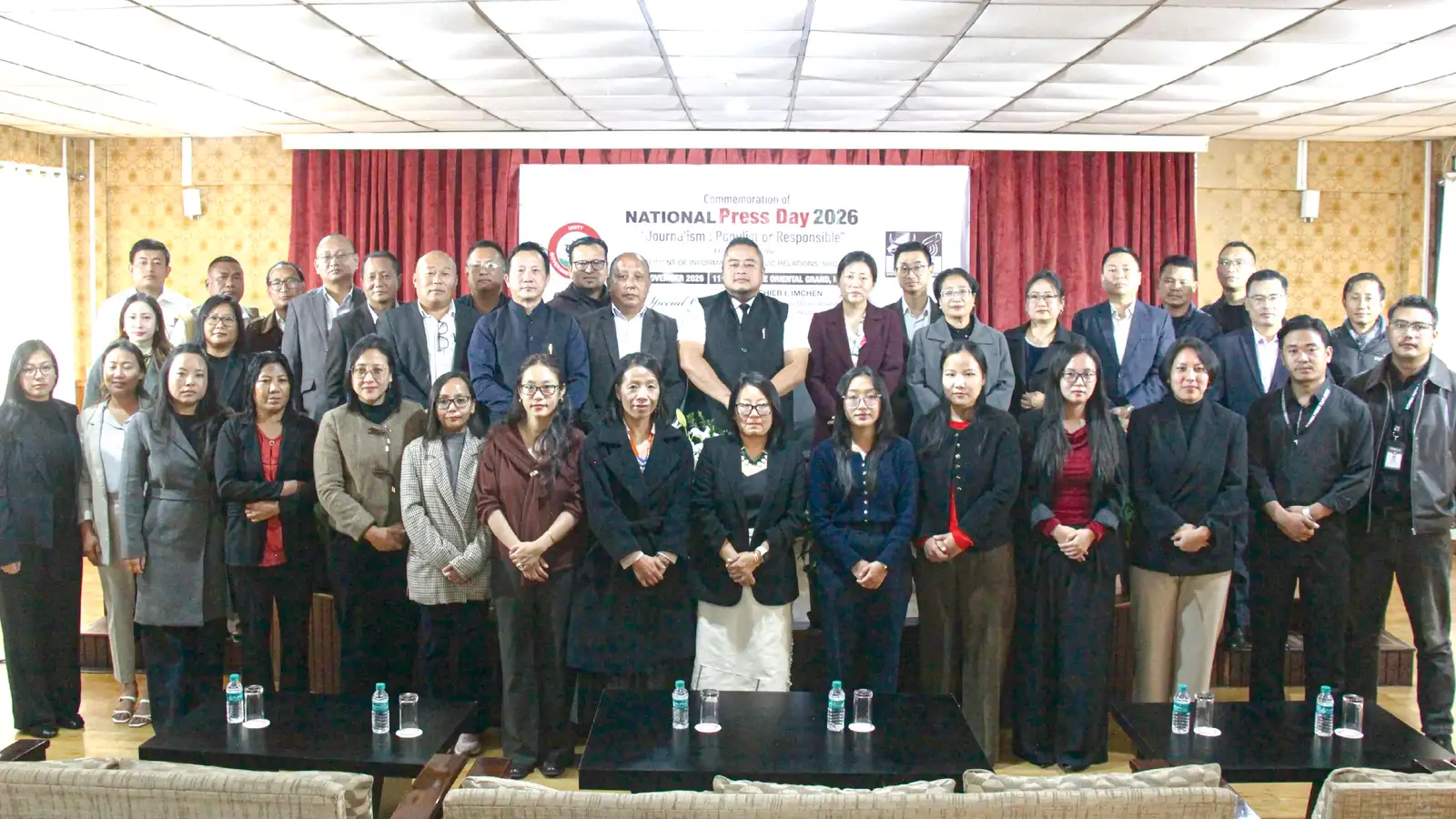
Addressing National Press Day 2026, organised by the Department of Information and Public Relations (DIPR) here Monday, Imchen said information was travelling faster than truth, with the race to break news often taking precedence over accuracy and substance.
Held on the theme “Journalism: Populist or Responsible”, the programme brought together media professionals to reflect on the role of journalism amid a changing media landscape.
Imchen described the press as the voice of truth, conscience of society and watchdog of democracy. He said journalism must go beyond echoing popular opinion to question authority, promote understanding and inspire progress.
Referring to Nagaland’s social and political context, he said the media had a greater responsibility to highlight unemployment, inadequate infrastructure, economic uncertainty, peace and development. Imchen urged journalists to give greater attention to farmers, unemployed youth, struggling entrepreneurs and neglected villages.
Calling for solution-oriented reporting, advisor said the press should act as a bridge between the government and the public, and between communities and their aspirations.
“Freedom and responsibility must walk hand in hand. A press without freedom loses its voice, while a press without responsibility loses its credibility,” he said.
Imchen maintained that while populism might win momentary applause, responsible journalism earned lasting respect. He urged journalists to remain fearless but fair, critical but constructive, and independent but accountable.
Highlighting welfare measures for the media fraternity, he referred to the Journalist Welfare Fund, operational subsidy for accredited journalists and accreditation to facilitate access to government information and official fun
Speaking on behalf of the media fraternity, senior journalist H. Chishi highlighted the challenges facing journalism, including rising populism, changing media ownership, digital disruption and declining public trust.
He cautioned that corporate influence and propaganda could undermine press freedom and public trust.
Chishi urged journalists to verify information, provide context and pursue independent analysis, particularly amid the spread of misinformation through digital platforms. He also noted the declining circulation and advertising revenue of print media, stressing the need for news organisations to adapt to changing realities.
Referring to Nagaland’s sensitive social and political environment, Chishi called on journalists to avoid reporting that could fuel conflict and instead promote peace and understanding. He said the media must go beyond reproducing official statements and hold those in power accountable. He emphasised that ethical and responsible journalism remained essential to democracy.
The programme was chaired by DIPR joint director I Simon Teilia while the invocation was offered by Central CRC Kohima pastor Videkho Mekro. KL Pamei presented a special number and the vote of thanks was proposed by DIPR deputy director S Hongpi Konyak.