
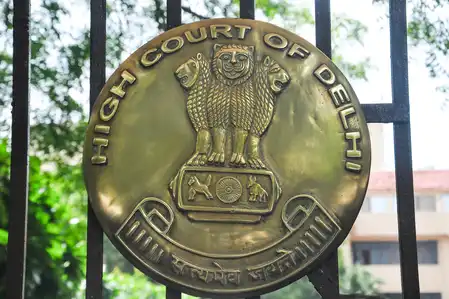
New Delhi, May 19 (IANS): The Delhi High Court sentenced YouTuber Gulshan Pahuja, who runs the channel “Fight 4 Judicial Reforms,” to six months’ simple imprisonment in two criminal contempt cases for making derogatory and scandalous remarks against the judiciary and judicial officers, a division bench of Justices Navin Chawla and Ravinder Dudeja ruled. A fine of Rs 2,000 was imposed in each matter, with the court directing that sentences run concurrently and that in case of default in payment of fine, Pahuja would undergo an additional one month’s simple imprisonment. The bench observed that the contemnor had shown no remorse and had in fact compounded the contempt through further scandalous submissions made during the hearing itself, including remarks describing courts as “taanashahi (dictatorship)” and stating that “adaalaton ki manmarzi badhti jaa rahi hai aur main koi nyay ki umeed nahi kar raha (the wilfulness of the courts is constantly increasing and I am not hopeful of any justice)” The court noted that leniency in such circumstances could embolden similar conduct in the future, observing that “these cases call for the imposition of the maximum punishment.”
The Delhi High Court however suspended the sentence for 60 days to enable Pahuja to challenge the judgment before the Supreme Court, directing that if the Supreme Court does not pass an order suspending the sentence within that period, Pahuja must surrender before the Registrar General of the court on his own. Rejecting his plea to recall the conviction judgment, the bench clarified that it could not sit in review of its earlier order and that the contemnor was free to challenge it in accordance with law. Amicus curiae advocate Harsh Prabhaka submitted that Pahuja had shown “no course correction or remorse” and continued uploading videos targeting judicial officers despite earlier directions restraining him from doing so. The contempt proceedings arose from videos uploaded on his YouTube channel containing sweeping and unverified allegations against judicial officers, which the Delhi High Court had earlier held were intended to scandalise the institution and lower public confidence in the justice system, and were not protected under the right to free speech.