
Director General of Police (DGP) Nagaland, Rupin Sharma, on Saturday reaffirmed the police department’s commitment to transparency and fairness in the ongoing police recruitment process, stating that the department remained open to scrutiny under Right to Information (RTI) Act and would take strict action if deliberate wrongdoing was established.
Speaking to media persons on the sidelines of a programme, DGP addressed allegations of evaluation errors and exclusion of qualified candidates, particularly concerning written examination marks.
He clarified that while physical test marks were disclosed to all candidates, concerns have largely centred on the written exam, which comprised multiple-choice questions evaluated manually rather than through Optical Mark Recognition (OMR).
DGP said decision to avoid OMR was taken after discussions at the state leadership level, considering that the minimum educational qualification for certain posts was only Class 6 or Class 8.
“Some candidates may not have been comfortable filling OMR sheets, so we opted for a simpler tick-mark system,” Sharma explained.
He added that instructions clearly stated that double marking or erasing answers would attract zero marks.
However, he said that following reports of impersonation and other concerns, the department undertook a comprehensive re-totalling and rechecking of nearly all answer scripts. “There were some genuine errors, and those have been corrected,” he said.
DGP assured that candidates could apply under RTI to inspect their answer scripts before the interview stage begins.
“If there are genuine mistakes and someone deserves higher marks, we are willing to correct them. We have no problem in showing the answer sheets within the stipulated time,” DGP stated, noting that managing visits from thousands of candidates would pose logistical challenges.
On allegations that certain candidates in the merit list may have scored higher than deserved, Sharma urged complainants to provide specific details.
“If you know any who may have unfairly scored high marks, give us the roll number or name. We will recheck,” he said, adding that general allegations were not helpful.
Explaining the selection process, DGP said only ten times the number of vacancies (district- and tribe-wise) were shortlisted from the physical test to the written examination stage, while only three times the number of vacancies had been called for interviews.
In cases where multiple candidates secured the same cut-off marks at the lower end, DGP said all such candidates were included for the interview stage.
Asked about action against examiners or staff if mistakes were proven, Sharma said specific complaints would be examined thoroughly, and if deliberate wrongdoing was established, definite action would be taken.
On physical test standards, DGP confirmed that the department followed existing recruitment criteria without any changes.
While personally suggesting future reforms could diversify evaluation components for greater fairness, he maintained that uniform standards were applied to all candidates this time. “If the same rules apply to everyone, it is not unfair,” he said.
Regarding the proposed fresh recruitment drive for around 1,200 posts, Sharma confirmed that another round would definitely be conducted this year, with the timeline to be decided after the current cycle concludes.
DGP also highlighted the benefits of the newly introduced online application portal. He said that the department now has comprehensive data on applicants’ educational qualifications and fitness levels, which would aid in reviewing and possibly reformulating future guidelines in consultation with the government and stakeholders.
DGP expressed hope that if the next recruitment process begins by June or July, it could be completed within three and a half months, ensuring a new batch joins by the time the current batch completes training.
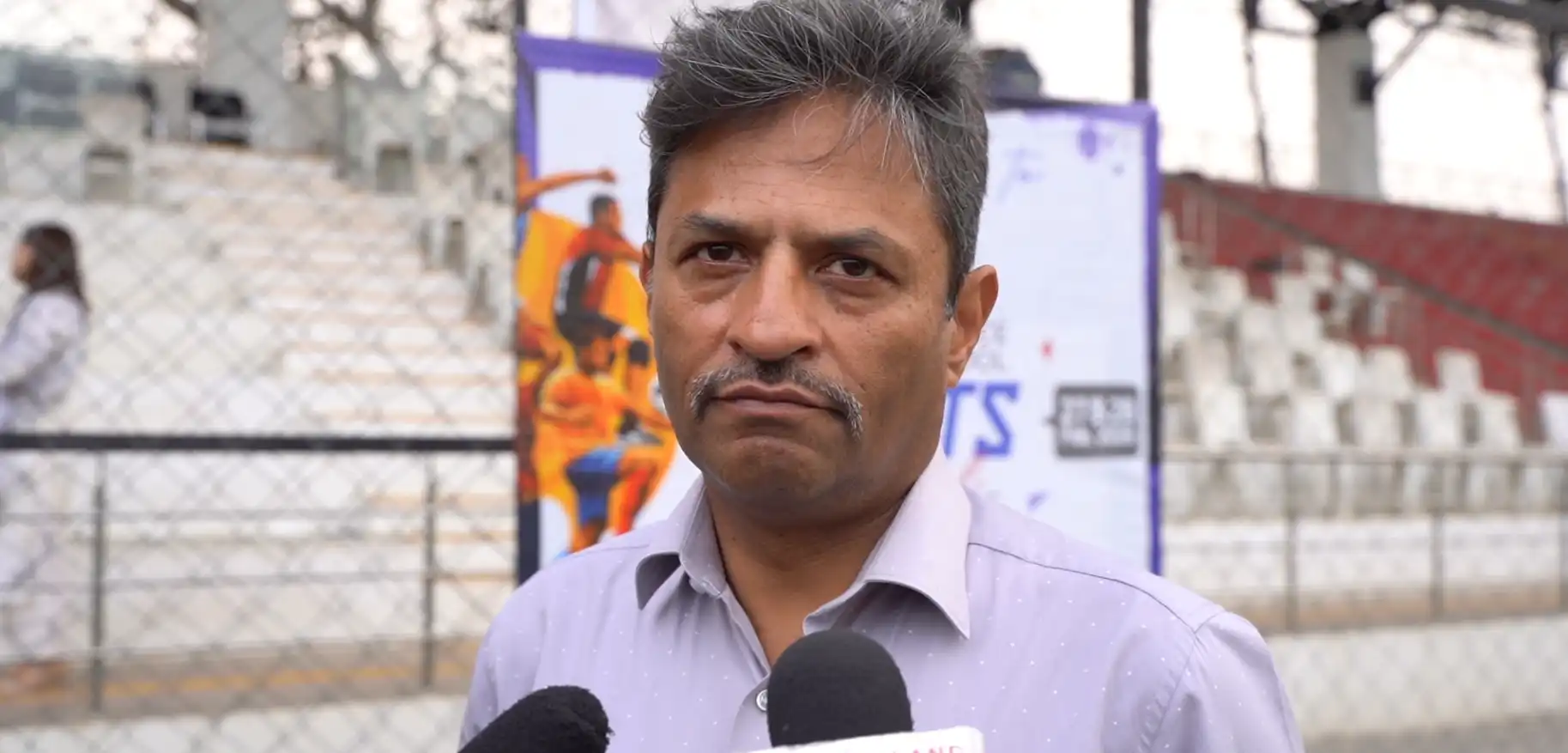
DGP reaffirms transparency in police recruitment
Staff ReporterDIMAPUR, FEB 28 (NPN):