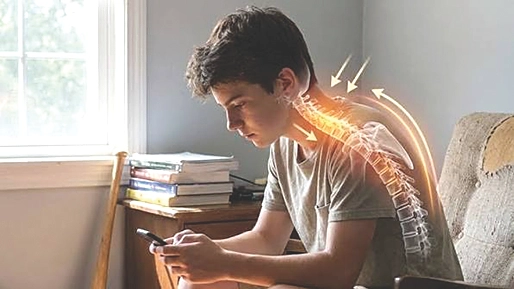
Excessive screen use, prolonged sitting and poor posture could be contributing to back, neck and other spinal issues among children and adolescents, physiotherapy experts said, and called for regular movement breaks, ergonomic awareness and preventive physiotherapy.
Experts from the Indian Association of Physiotherapists (IAP) raised the concern at the World Physiotherapy Asia Western Pacific (WPAWP) Regional Conference 2026 being held at Yashobhoomi in Delhi on Thursday.
The conference brought together more than 10,000 physiotherapy professionals and delegates from India and 32 countries to discuss emerging challenges in physical health, rehabilitation and preventive care.
“The concern is not simply the number of hours a child spends looking at a screen, but what happens to the body during those hours, said Dr Sanjiv K Jha, IAP president and Organising Chair, WPAWP Regional Conference 2026.
“Prolonged sitting, static postures, reduced movement and frequently looking down at mobile devices can place repeated stress on the neck and back. Children need to be taught that screen use should be accompanied by movement, posture awareness and regular physical activity,” Dr Jha said. Recent scientific evidence has also pointed to an association between sedentary behaviour and spinal pain among children and adolescents, although experts cautioned that screen time should not be considered a single or proven cause of back pain.
The concern may also extend to the neck. A systematic review and meta-analysis found a mild association between sedentary behaviour and neck pain among children and adolescents. Another study involving 970 school-aged children found associations between overall screen time, passive gaming and social media use, and neck and shoulder pain at one follow-up point.
Experts said the physical position adopted while using devices could also be important. A study involving children aged five to 12 years found that smartphone use was associated with changes in head and neck flexion and craniocervical posture, particularly while sitting. (PTI)