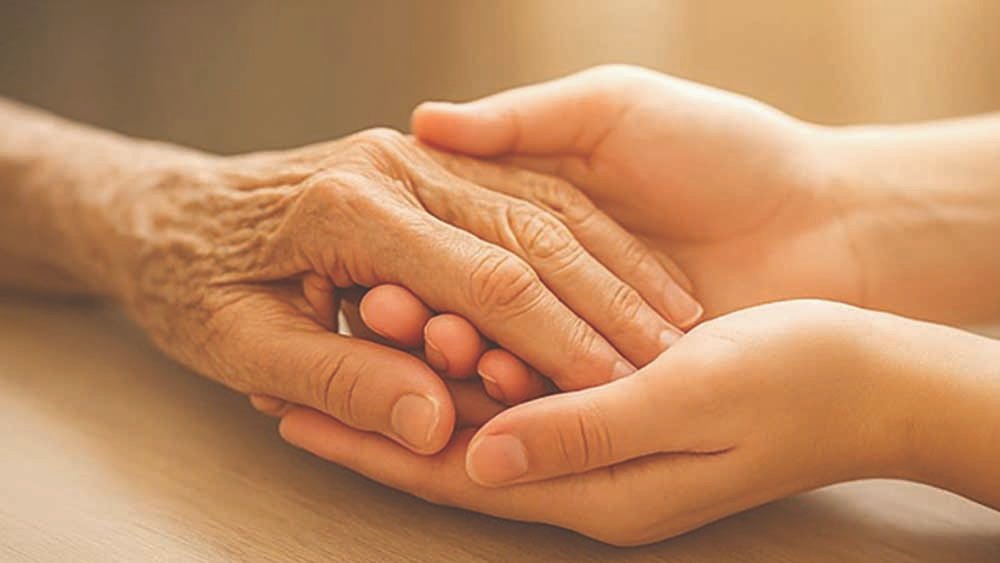
Amid a rapidly ageing population in India, experts on Tuesday stressed the need for a home-based, community-led and integrated elder care model to boost geriatric care in the country.
Speaking at an event held in the national capital, the health experts also discussed the growing challenges confronting the country’s elderly population and the urgent need for more responsive and inclusive approaches to geriatric care.
The experts highlighted that the challenges for geriatric care are multi-dimensional in nature. These include rising disabilities and age-related health conditions such as dementia and Alzheimer’s, significant gaps in geriatric healthcare infrastructure coupled with a sharp urban–rural divide in access to medical services, and mounting economic pressures driven by inadequate social security and rising healthcare costs.
“Ageing is not just about adding years to life, but adding life to those years. Geriatric care must be coordinated, continuous, community-based, and compassionate. Mental and emotional well-being are as critical as physical health, especially in an era of nuclear families and increasing social isolation. Geriatric care is not a luxury — it is a necessity,” said Dr. Rajinder K. Dhamija, Director, Institute of Human Behaviour and Allied Sciences (IHBAS).
According to government data, India’s senior citizen population is projected to surge to around 230 million by 2036, making up about 15 per cent of the total population.
“Geriatric care cannot remain confined to a few tertiary hospitals or centres of excellence. In a country as large and demographically diverse as India, care must begin at home and be strengthened through district-level systems. Many elderly health needs do not require hospitalisation but can be effectively managed through trained caregivers, home-based services, and coordinated community support. The real challenge is scale, integration, and last-mile delivery,” added Rajesh Bhushan, Former Secretary, Ministry of Health & Family Welfare, during the event organised by Illness to Wellness.
Bhushan also highlighted the need to repurpose and upskill general physicians, integrate social care with medical services, and draw lessons from countries such as Japan and South Korea to create unified, one-stop elder care models that combine healthcare, rehabilitation, and social support.
(IANS)