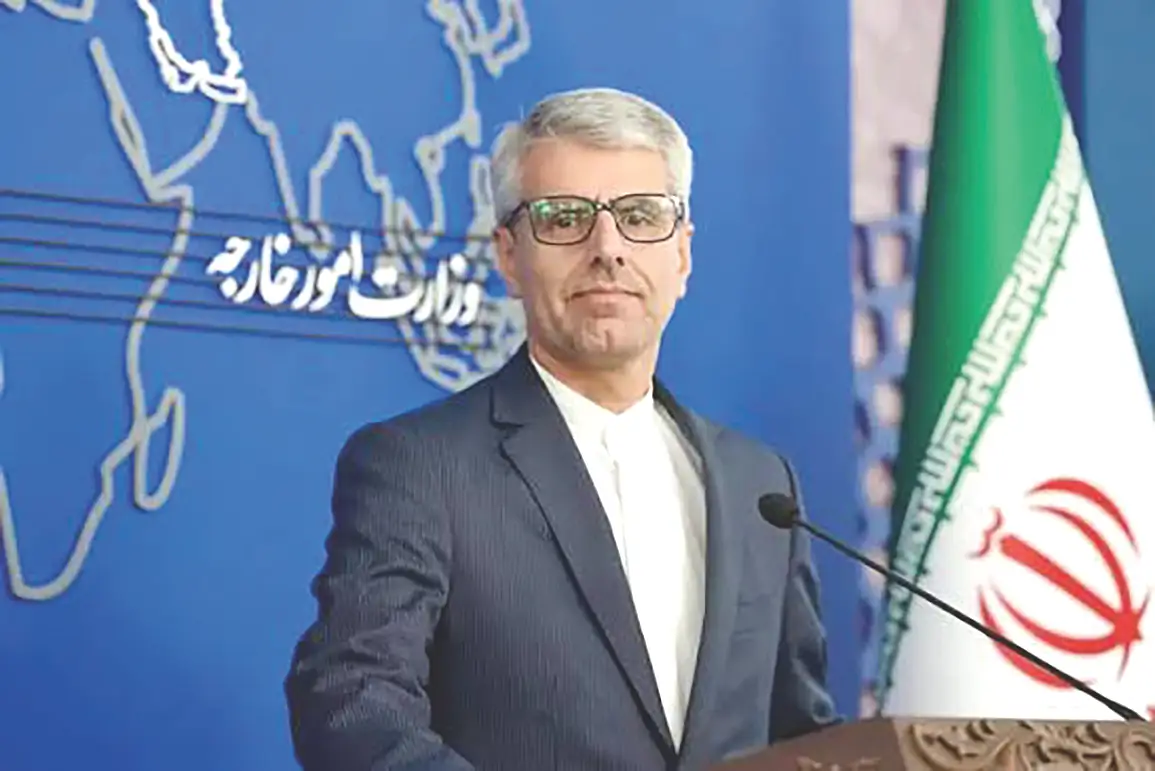
DUBAI, AUG 24 (AP): Iran’s Foreign Ministry spokesperson warned that Tehran would respond harshly to expanded US sanctions, including measures against countries it sees as cooperating with Washington.
“Any escalation of this situation will undoubtedly bring about consequences,” Esmail Baghaei said. “Our hands are not tied.” The new head of Iran’s top security body warned Sunday that Tehran will see any country’s support for the sanctions as an “act of war”.
The expanded sanctions come after weeks of impasse. The United States has not dislodged Iran’s grip on the Strait of Hormuz, through which a fifth of the world’s traded oil passed before the war started nearly six months ago.
Iran’s demands for reopening the strait include lifting the US naval blockade, withdrawing US forces from the region and reparations for damages sustained in the war. It has held separate talks with Oman, on the other side of the strait, on jointly managing the waterway regardless of whether a new deal is brokered with the US.
Sanctions have historically raised prices of basic goods in Iran, but after decades of withstanding them, Iran’s economy has adapted through finding new trading partners and building domestic industries.
Ahead of the expected US announcement, the country’s currency hit a record low on Monday.
Iran’s rial currency hits new record low
Iran’s currency hit a record low Monday as Washington prepared to announce new sanctions it said would add further pressure on an economy already battered by previous sanctions and a US naval blockade.
The rial dropped to 2.02 million to the US dollar as trading opened on currency markets. Iran’s official Central Bank rate stood at around 1.5 million rial to the dollar, but the market rate is what most Iranians pay.
The currency had already been under pressure before the US and Israel attacked Iran on February 28, as Iran faced double-digit inflation and negative growth, but has repeatedly hit new lows as nearly six months of war have taken an even greater toll.
Israeli and Syrian officials meet following an Israeli airstrike
Syrian Foreign Minister Asaad al-Shibani met over the weekend with a high-level Israeli delegation in Jordan to try to defuse tensions after Israel last week struck an air base in northern Syria, Syrian state news agency SANA reported. The US-mediated discussions on Sunday focused on restarting negotiations for a future security agreement, SANA said.
Israel struck the Abu Duhur air base in Idlib province, saying it aimed to stop Turkey — which has supported the new Syrian government’s efforts to rebuild its armed forces after 14 years of civil war — from establishing a presence there. Syrian officials during the talks asserted the right to develop an army and freely forge alliances with any country, SANA said.
They also called for the withdrawal of Israeli forces from a buffer zone in southern Syria they have occupied since December 2024, and reiterated Syria’s stance that the Golan Heights — which Israel captured in the 1967 Mideast war and later annexed — is Syrian territory.
Israeli officials didn’t immediately comment on the meeting.