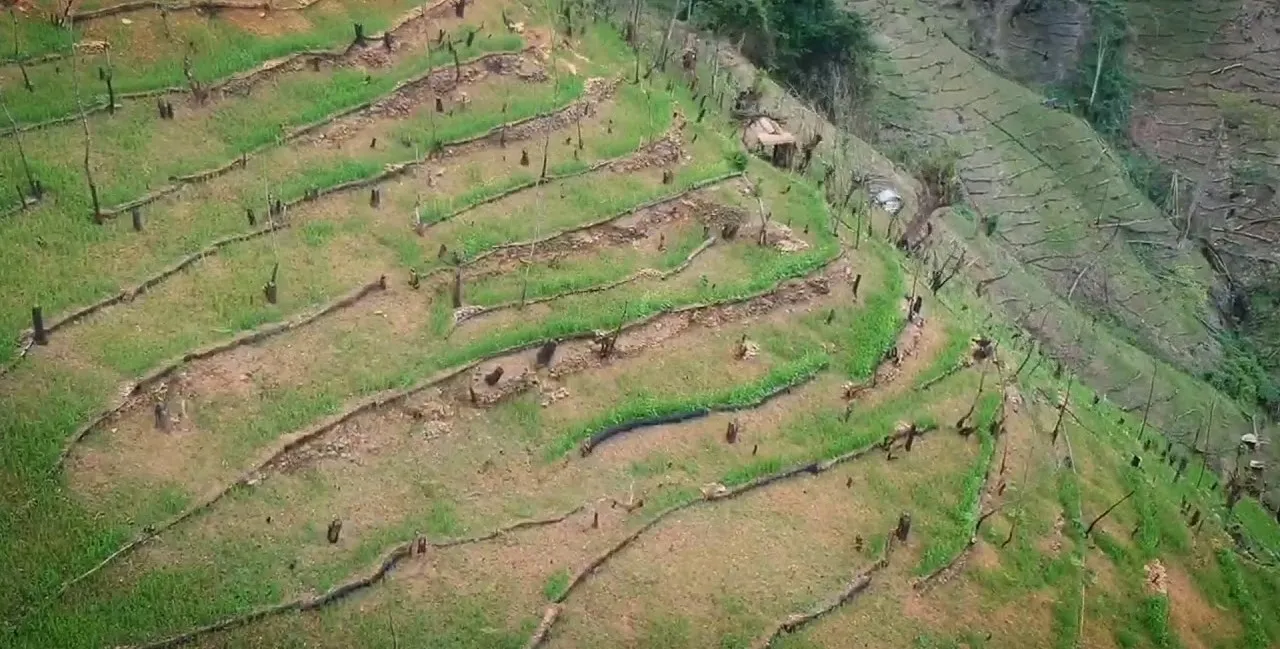
DIMAPUR: In a major strategic move to address pressing environmental and agricultural challenges in Northeast India, the International University Nagaland (IUN) has launched a comprehensive state wide research initiative titled “Ecological Modernization of Traditional Jhum Cultivation.” The project seeks to balance Nagaland’s tribal agricultural identity with urgent conservation needs, offering a scientific path to mitigate deforestation, habitat loss and severe topsoil erosion.
Traditional slash and burn agriculture, locally known as Jhum cultivation, has long been the backbone of Naga socio economic life, community bonding and cultural identity. However, rapid population growth, shifting land use priorities and changing weather patterns have reduced the traditional land rotation cycle from 15 years to just 3–5 years. This has led to nutrient depletion, massive soil erosion during monsoons and declining crop yields, posing a serious threat to food security and livelihoods.
Recognising this critical bottleneck, the university’s interdisciplinary research team is developing a hybrid agroforestry model designed to modernise rather than eradicate the practice. The model introduces high value perennial crops such as organic ginger, premium cardamom, black pepper and indigenous medicinal herbs alongside nitrogen fixing tree species. This approach aims to stabilise vulnerable sloping soils and enable farmers to harvest continuously from the same plot without burning new forest patches each season.
Registrar Dr. Roopam Bachhil, in a joint statement with Prof. Zavise Rume, Director of the Academic Staff College, described the initiative as a paradigm shift in regional agricultural research. Dr. Bachhil said the university has dedicated specialised funding, modern equipment and advanced laboratory assets to monitor soil chemistry and crop yields in real time. “Our goal is not to force farmers to abandon ancestral practices but to empower them with scientific innovations that protect biodiversity while transforming them into sustainable agricultural entrepreneurs,” he stated.
Prof. Rume emphasised the academic and outreach dimension of the project. He said the Academic Staff College would design intensive training programmes for educators, extension workers and village councils, ensuring that traditional ecological knowledge is integrated with modern agroforestry principles. “By creating a dynamic educational ecosystem, we aim to prevent irreversible environmental degradation and uplift rural communities,” he remarked.
The university intends to present its framework to the Department of Agriculture, Government of Nagaland, as a scalable policy model to double rural household incomes while restoring degraded forest canopies. Field trials are scheduled to begin this monsoon in selected pilot villages across districts, with community leaders, cooperatives and youth groups actively involved in soil health monitoring, data collection and long term land management.
Through this initiative, the International University Nagaland reaffirms its commitment to sustainable development, positioning itself as a key driver of ecological modernization in the region. The project is expected to serve as a replicable blueprint for balancing cultural heritage with environmental conservation, ensuring that traditional practices evolve to meet modern challenges without losing their identity.