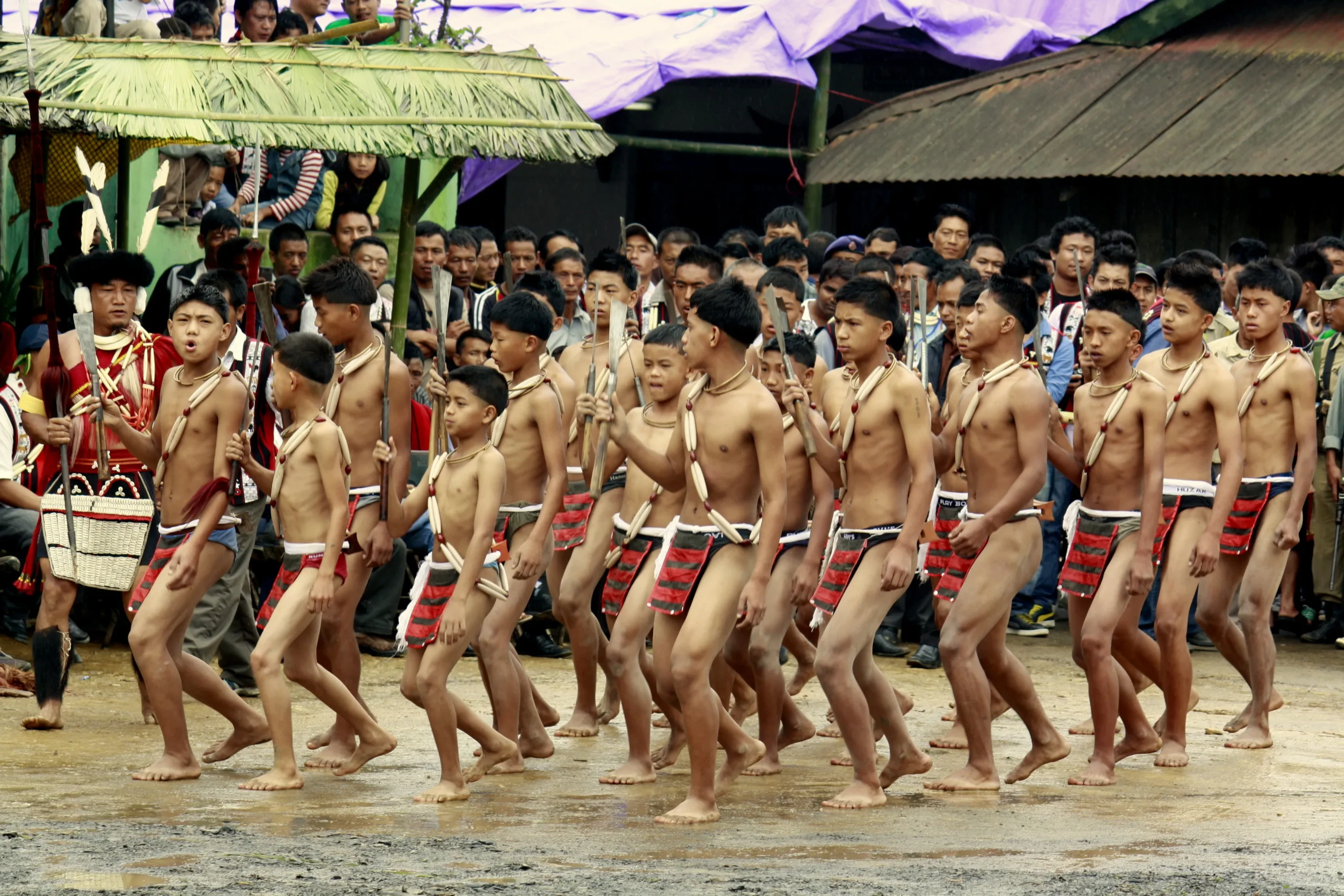
DIMAPUR: Longsa village is all set to celebrate the four day Tsüngremmong Festival 2026 from July 31 to August 3, organised by the Longsa Village Council (LVC) under the patronage of the Department of Tourism, Government of Nagaland.
The annual celebration, one of the most significant pre harvest festivals of the Ao Nagas, will showcase the community’s rich cultural heritage, indigenous traditions and renowned hospitality, offering visitors an immersive cultural experience.
The festival will open on July 31 with a cultural competition at the Community Hall, with Minister for Rural Development & SIRD, Metsübo Jamir, as guest of honour. The main celebration on August 1 at Salang Lenden will feature the traditional Ceremonial Pulling of Vine (Arr Atsütsü), one of the most symbolic rituals of Tsüngremmung. Advisor for Youth Resources & Sports, S. Keoshu Yimkhiung, will grace the occasion as honoured guest, while advisor for Land Resources, G. Ikuto Zhimomi, will attend as guest of honour. Metsübo Jamir will serve as chief host.
The day’s programme will include cultural performances by the Sangpur Village Cultural Troupe (Yimkhiung tribe) and the Surumi Village Cultural Troupe (Sumi tribe), alongside An Tepong Rara, indigenous games, ceremonial tug of war and performances by winners of the cultural competition.
The festival will observe The Lord’s Day on August 2, while celebrations will conclude on August 3 with Ain Lenpi, marking the traditional closing of the festival. The LVC has extended an open invitation to citizens, tourists, well wishers, in laws of the village and culture enthusiasts from across the country.
Tsüngremmung, celebrated during the first week of August when paddy fields are ripe for harvest, is one of the two major agricultural festivals of the Ao community, alongside Moatsü. At its core, it is a thanksgiving festival to God for a bountiful harvest, a time of spiritual renewal, community bonding and sharing.
Each day of the festival carries its own significance-Süngbenmung (preparatory day), Yatimung (principal day of rituals, feasting and fellowship), and Ain Lenpi (closing day marked by cleaning pathways and dances around a bonfire).
According to Ao tradition, the origin of the Tsüngremmung Festival is traced to two men-Merangshang and Tsüngremshang. Merangshang, intrigued by the unusually abundant harvests of his neighbour despite comparatively less labour, discovered that Tsüngremshang sought God’s blessings through ritual purification and thanksgiving before harvest. Inspired by this practice, Merangshang adopted the same tradition and later shared it with the entire village. Over time, the thanksgiving ritual evolved into the festival now known as Tsüngremmung, named after Tsüngremshang.
The blooming of Songsaben flowers below Chungliyimti traditionally signalled its arrival, first sighted from Longsa, earning the festival the alternative name Longsamung.
Located about 29 km southeast of Mokokchung, Longsa was declared a Tourist Village in 2006 and has since emerged as a popular cultural tourism destination. With this year’s Tsüngremmung Festival, Longsa once again seeks to preserve and promote the rich cultural legacy of the Ao Nagas while encouraging cultural exchange and strengthening tourism in Nagaland.