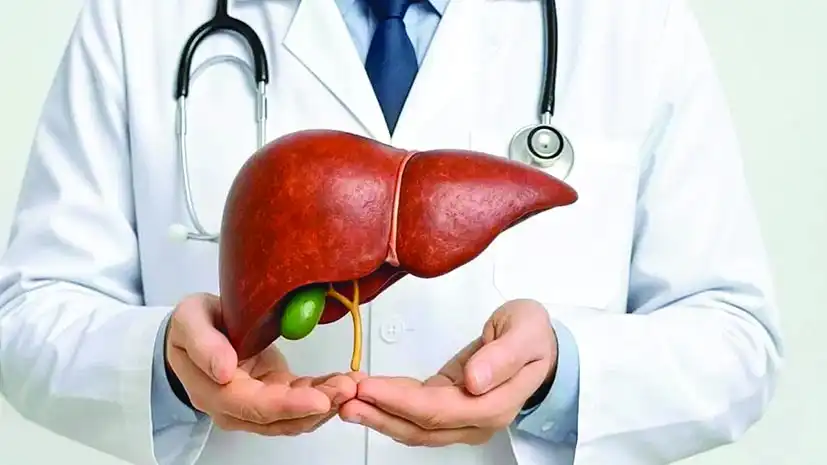
Individuals with healthy liver function typically process ammonia efficiently, converting it into urea for elimination. However, those with liver conditions such as hepatitis, fatty liver disease, alcohol-related damage, or liver cancer may have reduced ability to clear ammonia.
Scientists have observed that reducing dietary protein can slow the progression of liver tumours in mice whose livers are unable to efficiently remove ammonia. The results suggest that a normal dietary component may become a driver of cancer growth when liver function is impaired, as per the study published in Science Advances.
The study found that tumours expanded more rapidly when ammonia levels rose in the liver instead of being cleared. This indicates that disrupted waste processing can create conditions that support cancer development.
A research team led by Wei-Xing Zong at Rutgers University determined that defective ammonia handling within liver cells plays a key role in this process. Instead of being detoxified and eliminated, excess ammonia is redirected into substances that cancer cells can use to grow and multiply.
In a healthy liver, ammonia—produced during protein breakdown—is converted into urea through the urea cycle and then excreted from the body. When this system fails in diseased or cancer-affected livers, ammonia accumulates in both the bloodstream and liver tissue. This buildup provides additional nitrogen that tumors can use to synthesize DNA and support cell division.
The researchers discovered that liver tumors can channel ammonia into amino acids and nucleotides, which are essential for building genetic material. These molecules are critical for rapidly dividing cells, effectively turning a waste product into a resource for tumor expansion.
To test whether limiting ammonia production could influence tumor development, the team fed tumor-prone mice a diet with lower protein content. With less dietary nitrogen entering the body, ammonia production decreased. This dietary adjustment led to slower tumor growth and a significant increase in survival across multiple liver cancer models, indicating a consistent effect in the experiments.
Despite these findings, lowering protein intake is not suitable for everyone. Cancer patients are often advised to consume sufficient protein to maintain muscle mass, strength, and overall recovery during treatment. Excessive protein restriction may lead to weakness or malnutrition, especially in individuals who are already medically vulnerable.
The researchers also disabled several enzymes responsible for ammonia detoxification. In each case, ammonia levels rose, tumour growth increased, and survival decreased in mice that previously managed ammonia more effectively. These results suggest that the issue stems from a broader breakdown in ammonia regulation rather than a single genetic cause.
Individuals with healthy liver function typically process ammonia efficiently, converting it into urea for elimination. However, those with liver conditions such as hepatitis, fatty liver disease, alcohol-related damage, or liver cancer may have reduced ability to clear ammonia. For these groups, protein intake may need to be carefully monitored under medical guidance.
Beyond lowering ammonia levels, the low-protein diet also appeared to reduce tumour cell proliferation, fibrosis-related activity, and growth signalling within tumours. These changes are consistent with reduced availability of nitrogen needed for rapid cell division.
Although the findings are promising, they are based on animal models. Further clinical research in humans is necessary to determine safe protein levels, identify who may benefit, and understand how dietary adjustments should be applied in medical settings. Overall, the study suggests that liver cancer progression may be influenced by how effectively the body manages waste, particularly ammonia, and opens the door to potential dietary or therapeutic approaches that target this process.
(The Sunday Guardian)