
Up to 10 years’ jail, Rs. 50 lakh fine for offenders
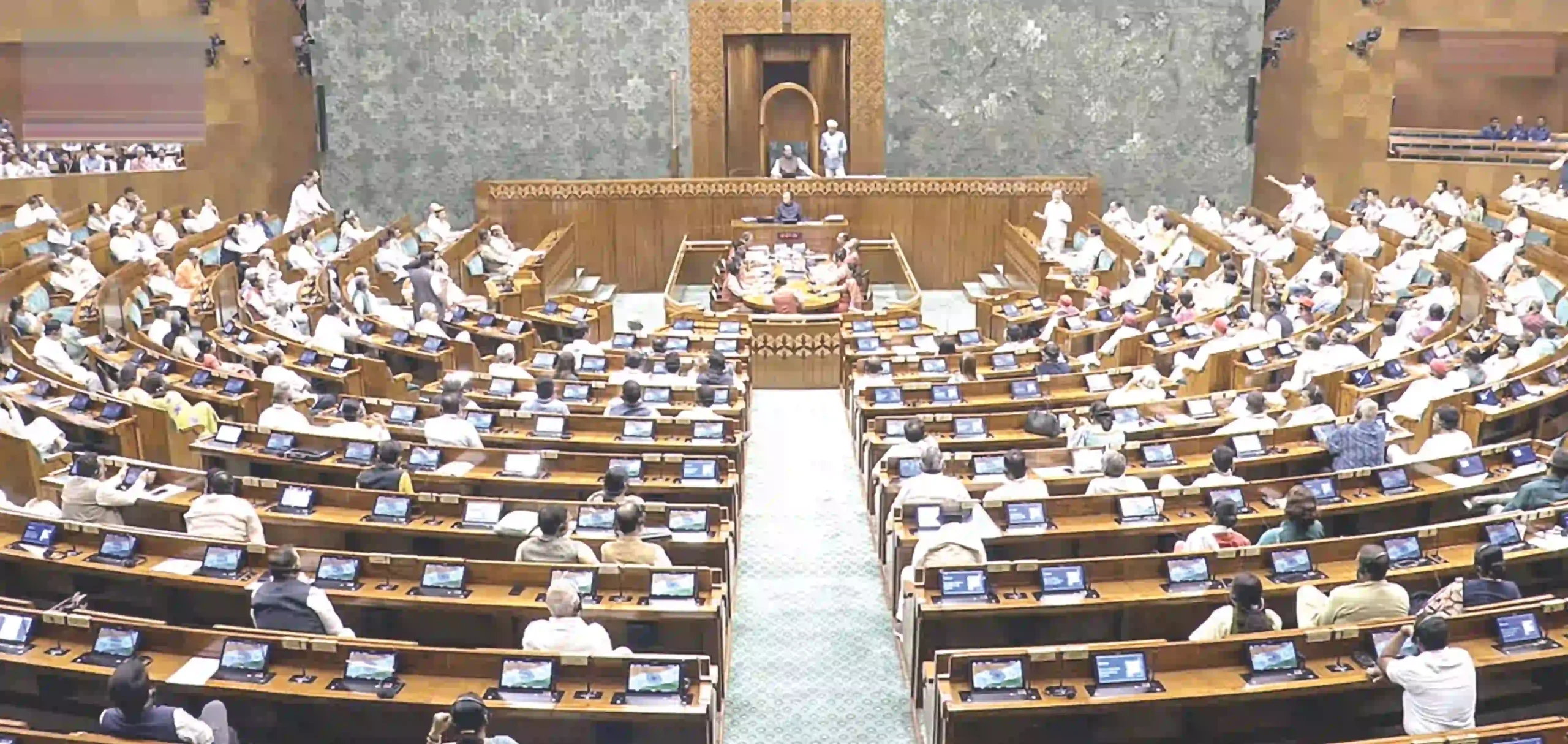
NEW DELHI, JUL 29 (PTI/IANS): Lok Sabha on Wednesday approved a bill to amend the anti-paper leak law with stricter punishment with government asserting that the measure was taken as it is “open to learning from experiences”.
The Public Examination (Prevention of Unfair Means) Amendment Bill, 2026 was introduced in the House by Union minister Jitendra Singh on July 27, days after large-scale student protests led by the Cockroach Janta Party forced Dharmendra Pradhan to resign as the education minister.
Speaking in Lok Sabha on Wednesday, Singh said the government acted swiftly in NEET paper leak case, and as many as 52 FIRs have been lodged since the anti-paper leak law came into force in 2024.
The amendment bill indicates that the government is open to learning from experience, he said, noting that the rate of suicide related to paper leaks has also reduced over the last few years.
Singh criticised Leader of Opposition in Lok Sabha Rahul Gandhi, stating that he lacks knowledge of parliamentary norms and the functioning of the government.
Expressing disappointment over sloganeering by the opposition parties during the passage of the bill, the minister said, “Instead of debating it seriously and offering suggestions, attempts are being made to politicise it.”
Immediately after the passage of the bill, Lok Sabha was adjourned for the day.
On Monday, Singh introduced the bill to amend the anti-paper leaks law with stricter punishment of up to 10 years in jail and Rs 50 lakh fine amid protests and sloganeering by the Opposition demanding a response from the government over the police crackdown on students during CJP-led July 20 protest march to Parliament.
The Act aimed to prevent unfair means in the public examinations conducted by UPSC, SSC, the railways, banking recruitment examinations and the National Testing Agency (NTA), among others.
According to the Public Examinations (Prevention of Unfair Means) Amendment Bill, 2026, investigations into paper leak cases are to be completed within two months.
The amendment bill seeks to empower all the state governments and UT administrations to designate any court of session to be a special fast-track court to try offences under the proposed law.
It also provides that the proceedings in such courts are continued on a day-to-day basis and the trial is completed within three months from the date of filing of the charge sheet.
It also empowers the central government to constitute a special task force for investigation of any offence, if necessary.
Union Home Minister Amit Shah on Wednesday congratulated students nationwide on the passage of the Public Examinations (Prevention of Unfair Means) Amendment Bill, 2026.
He described the legislation as a shield for the “dreams and aspirations of our youth,” emphasising that it lays down “iron-clad provisions imposing the harshest punishment on those who dare to breach the sanctity of public examinations.”