
In a significant push to strengthen Meghalaya’s representation in India’s Civil Services, the Meghalaya Government launched the CM-INSPIRE scheme aimed at empowering young aspirants preparing for the Union Public Service Commission (UPSC) examinations.
While announcing the initiative, Chief Minister Conrad Sangma underscored the importance to bring a change to the decline in the representation of indigenous people in the Indian civil services.
“My dear young aspirants of Meghalaya, today marks an important step in supporting the dreams of our youth. For many years, our representation in the civil services has declined. Today, we take a decisive step to change that with the launch of CM-INSPIRE,” he stated.
Under the CM-INSPIRE scheme, candidates who successfully clear the UPSC Civil Services Preliminary Examination will be given financial assistance of Rs. 50,000, whereas those who successfully clear the mains examination will receive Rs. 1 lakh as financial assistance. Sangma said the initiative aims to reduce financial burden which aspiring candidates face, while ensuring that deserving candidates also receive equal opportunities instead of being held back by economic constraints.
“The government stands firmly with you on this journey,” Sangma said while encouraging the young aspirants to believe in themselves and stay committed to their goals.
Candidates who are eligible will be able to apply for the scheme through the Meghalaya Administrative Training Institute (MATI) portal once applications are open. The CM-INSPIRE initiative is a welcoming step that will provide aspiring youth of the state with the opportunity to chase their dreams, while reinforcing the government’s commitment to building and empowering young visionary leaders.
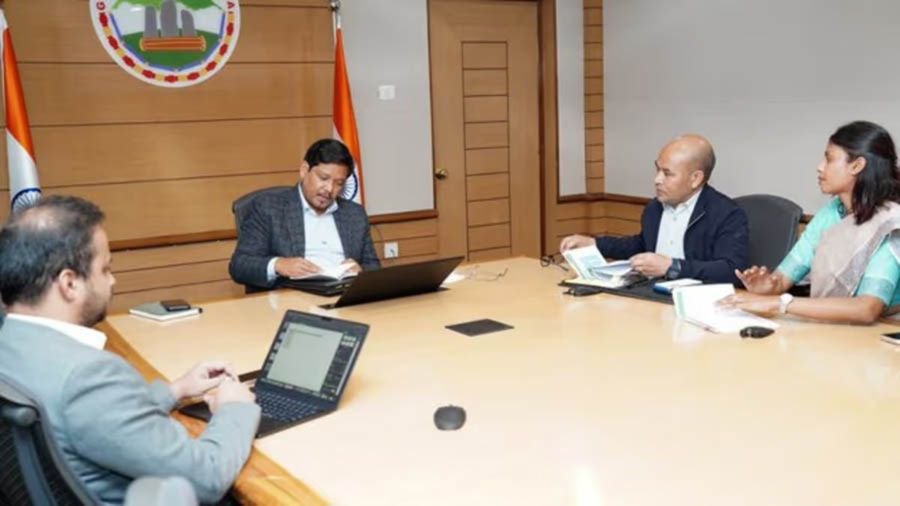
Meghalaya CM launches ‘CM INSPIRE’ for UPSC aspirants
Correspondent