
State Institute of Hotel Management (SIHM), Dimapur, organized the tourism Stakeholder awareness program (Activity III), under Swachhta Action Plan (SAP) on November 22 at its campus.
The program was conducted under the Swachhta Action Plan (SAP) 2025 – 26, which is an initiative of the Government of India under the Swachh Bharat Mission, and organised to inform the roles and responsibilities of porters, drivers, hoteliers, travellers, taxi unions, cooperatives, civic volunteers, and community leaders in achieving cleaner and greener tourism.
The initiative aimed to promote cleanliness, waste management, hygiene, and sustainability within India’s tourism sector and highlighted the importance of eco-friendly, plastic-free, and sustainable tourism, demonstrating how community collaboration and contribution can help achieve these goals in Nagaland.
Speaking at the program, resource person Council Chairman Bamunpukhri I, K. Hukuto Khulu pointed out that many important amenities are located in the East Dimapur area, and reminded everyone that these are government properties, and that people in the area share the responsibility to care for them as if they were our own, urging for collective cooperation and to help one another.
He emphasized that no one wishes to fall sick and that everyone wants to live a long and healthy life. But without maintaining proper cleanliness and hygiene, we become vulnerable to illness, he added.
He supported this by referring to the Bible, specifically Isaiah 1:16, which also teaches the importance of being clean. He also emphasized that Mahatma Gandhi, had also stressed that cleanliness is more important than independence, explaining that even if we have freedom, it means little without good health.
He also mentioned the initiatives introduced by Prime Minister Narendra Modi, such as the Swachh Bharat Mission, which helped eliminate open defecation by providing free toilets, and the Jal Jeevan Mission, which aims to supply clean drinking water to every household.
He encouraged everyone to take responsibility by keeping their homes, towns, and villages clean, noting that clean surroundings begin with each individual. He emphasized that fresh air was a necessity for everyone, and encouraged the practice of planting more trees.
He reminded everyone that if waste bins are not cleaned regularly, they can cause illness, while also highlighting the harmful effects of plastic bags, which are non-biodegradable and can damage soil, trigger incidents like landslides, and create health problems. As such, he advised replacing plastic bags with paper bags and advocating for the reduction of plastic use.
Finally, he assured that the village authorities will continue to cooperate with the institute and provide any assistance required.
Other highlights of the program included, screening of Swachhta Awareness Film, an interactive session with the participants was led by Team Better, president, Dimapur Mhonjan Humtsoe, who also emphasized the importance of segregating dry and wet waste and shared the various projects the team has undertaken to keep Dimapur clean and advocated for a sustainable future, Department of Tourism, Senior Tourist Officer, Keholeno Kennao also interacted with the participants during the session. The Swachhta pledge was taken by the participants which was led by SIHM, Dimapur, principal, Deepak Srivastava, who also gave the closing remarks.
Earlier the program was chaired by Limugha and Samsangheile, invocation by Setsala Likyu, welcome address by SIHM, Marketing executive, Anika Yeptho.
Altogether, 60 participants participated and Swachhta Kits were distributed to the participants.
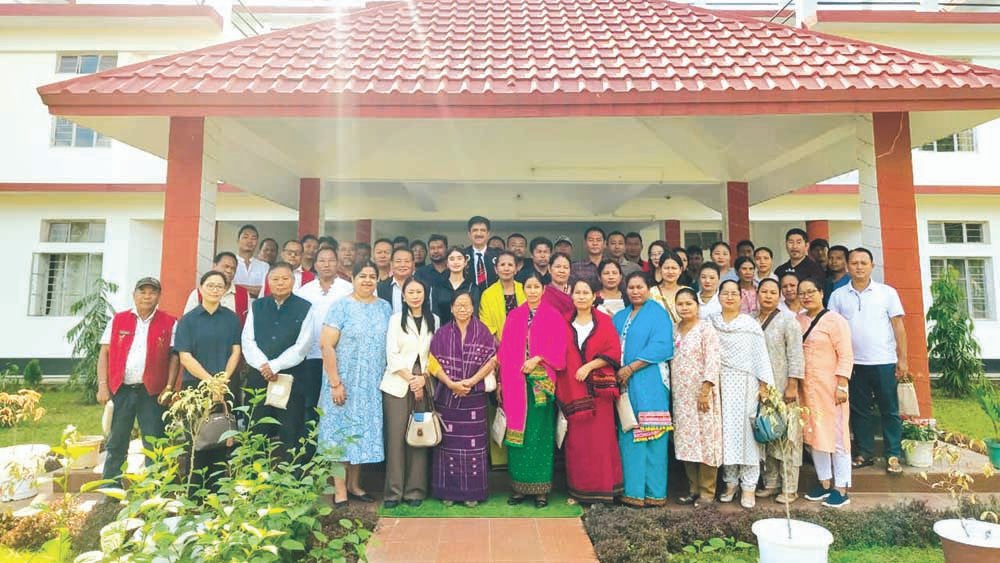
Nagaland SIHM Dimapur hosts awareness program for tourism stakeholders
Staff ReporterDIMAPUR, NOV 22 (NPN)