
Stand not against RALAO; will reach out to land occupants
Staff Reporter
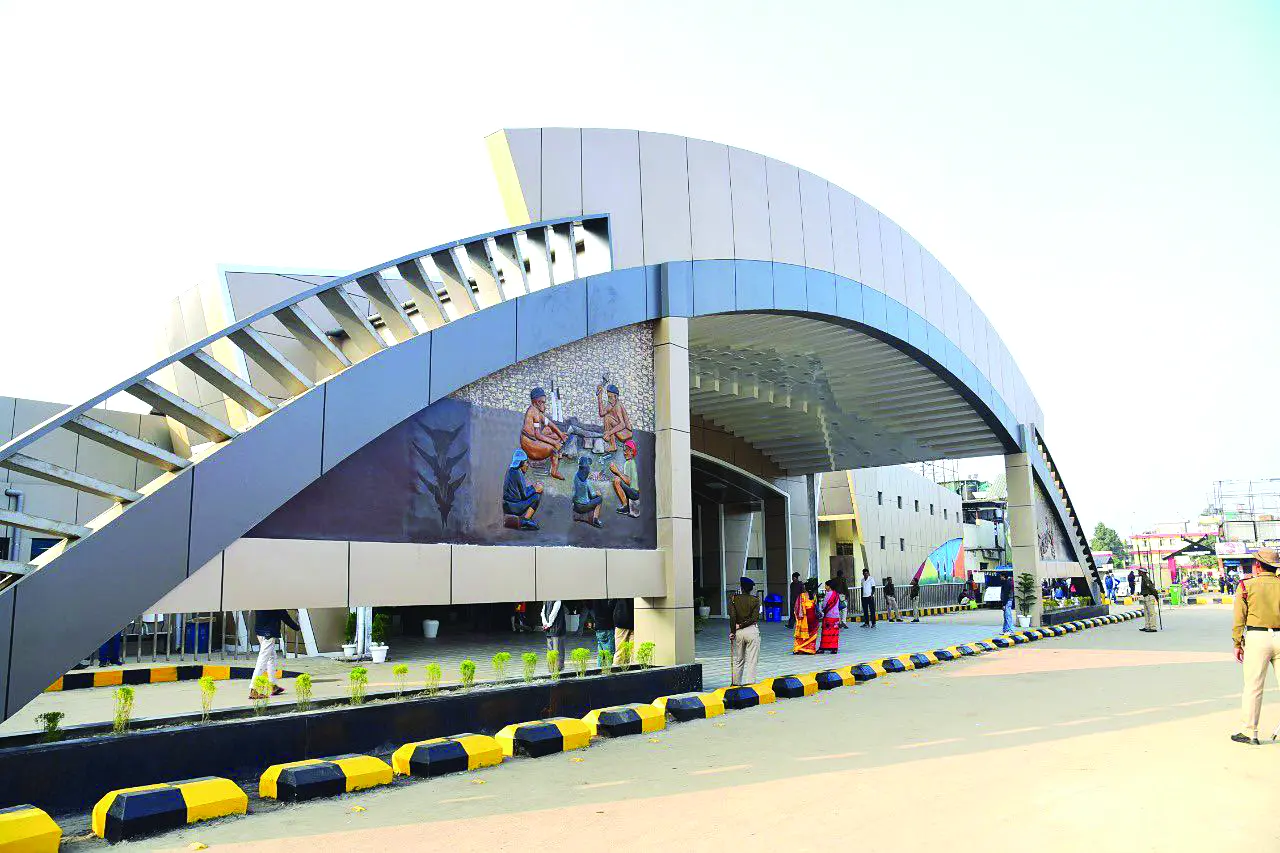
DIMAPUR, MAY 11 (NPN): Naga Council Dimapur (NCD) has reiterated its strong support for development of Dimapur Railway Station into a world-class railway station, while clarifying that it was not against the Railway Area Land Owners Association (RALOA) and instead wanted constructive dialogue to support affected landowners and facilitate early resolution of the issue.
Addressing media persons after a consultative meeting held at the NCD office on Monday, NCD councillor and Dimapur Urban Council Chairmen Federation (DUCCF) president Zasivikho Zakiesato said the discussion focused on issues surrounding alleged railway land encroachment that have been hindering ongoing development activities.
Emphasising the significance of the proposed railway station project, Zasivikho described it as crucial not only for Dimapur but for the future development of Nagaland as a whole.
“If a world-class station comes up, it will provide all basic amenities. Other states are already benefiting from such infrastructure, but we are facing difficulties here,” he said.
The meeting came in the backdrop of recent remarks by RALAO suggesting that NCD should confine its role to advocacy and avoid deeper intervention, which the association reportedly felt could delay early resolution of the matter.
Responding to this, Zasivikho maintained that NCD had “no apprehension or hidden agenda” and stated that the council represented 20 Naga tribes, including apex bodies such as CNTC, ENPO, Tenyimi Union and Southern Nagas, besides civil society organisations like DNSU, DUCCF, Naga Women Hoho and GB Union Sadar.
He said the objective of the meeting was to deliberate on how best NCD could assist the affected railway landowners. “They should not have any apprehension,” he stated.
On whether RALAO had responded to NCD’s invitation for talks, Zasivikho said no formal reply had been received so far, but expressed hope that the association would attend.
“Our discussion is about how we can support them and jointly approach the government. We are hopeful they will turn up,” he said. He stressed that dialogue would help all sides understand each other better and move forward collectively.
Zasivikho also disclosed that NCD was exerting pressure on the state government to expedite the process through a committee already constituted to address the issue.
He asserted that landowners in the railway area could not be termed “illegal encroachers” since land pattas had been issued by the government. “The land has been given by the state government. Therefore, we cannot call them encroachers. How the state government tackles this is up to them,” he said.
He further stated that possession of land pattas, whether through ancestral claims or otherwise, granted documentation rights and, since the pattas had been issued by the government, there should not be reasonable doubt regarding illegal encroachment.
Referring to a reported 1992-93 government notification instructing the Deputy Commissioner not to issue pattas in railway areas, Zasivikho acknowledged awareness of the order, but clarified that it broadly restricted issuance of pattas on government land. He however pointed out that pattas had subsequently been issued and many landowners had been residing there for years, thereby giving them legitimate rights.
He also informed that NCD would be holding meetings with non-Naga communities on Tuesday to understand their perspectives, while further consultations would also be held with landowners and their office bearers. He stressed that inclusive dialogue was necessary as different stakeholders could hold varying views.
Clarifying NCD’s stand, Zasivikho stated that the council’s initiative was not intended to interfere with or disrupt ongoing negotiations between landowners and the government. Referring to RALAO’s appeal to conclude discussions without “further disturbance from different quarters”, he said there was no question of separate pursuits.
“There is only one motive, that compensation and related matters for landowners should be resolved at the earliest so that development can proceed,” he said.
He further maintained that civil society also had the legitimate right to be part of the discussion. “The railway station is not being built in hiding. Naga people have the right to ask. We are here to help each other, not to create problems,” he stated.
When asked whether the state government at fault, Zasivikho refrained from assigning blame, pointing out that the notification dated back decades and successive governments had since taken office. “We are confident the state government will resolve this as soon as possible. That is our request from the public side,” he said.
Reiterating NCD’s position, Zasivikho said the council’s efforts were solely aimed at ensuring unity among stakeholders and facilitating development.