
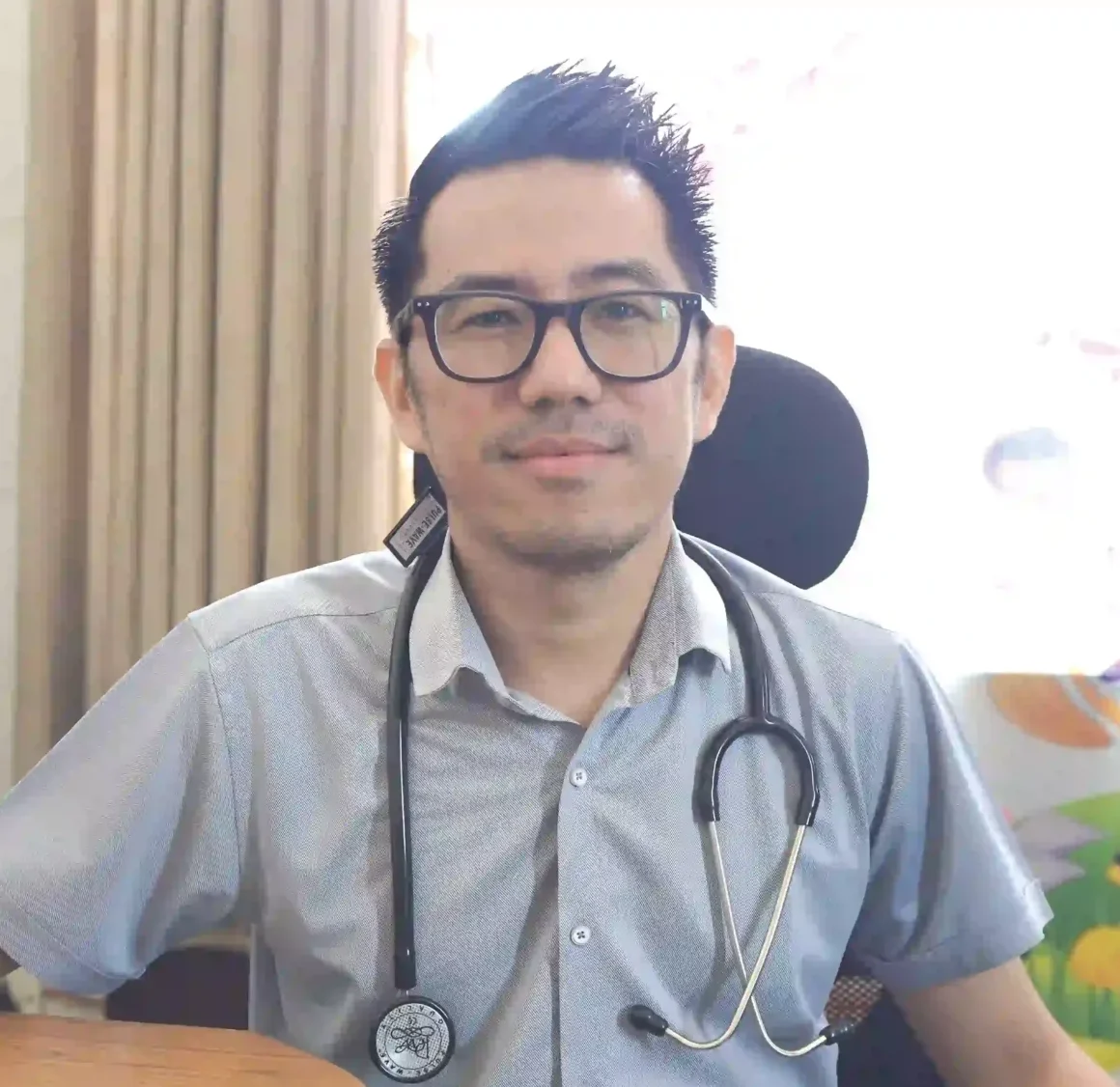
DIMAPUR, AUG 6 (NPN): Amid growing concern over suspected meningococcal cases in Dimapur, paediatrician and neonatologist Dr. Akumtoshi has urged the public to remain calm while staying vigilant, saying the situation did not warrant panic at this stage.
Speaking to media persons at Zion Hospital here Thursday, Dr. Akumtoshi described the situation as a “small outbreak” rather than a major one, stressing that awareness and early medical intervention were crucial.
“I wouldn’t say this is a big outbreak. This is a small outbreak. But just because it is small does not mean we should not be vigilant,” he said.
He explained that meningococcal disease was caused by the bacterium Neisseria meningitidis and, although uncommon, can occasionally result in localized outbreaks. While several serotypes exist—including A, B, C, W and Y, he said the strain involved in the present cases was yet to be confirmed.
Dr. Akumtoshi said early detection was critical and advised people to seek medical attention if they developed high fever, severe headache, persistent vomiting, sensitivity to light (photophobia) or neck stiffness.
He warned that severe cases could progress rapidly, with patients developing red rashes, bleeding disorders, low platelet count, shock, convulsions or unconsciousness. “If someone becomes unconscious, develops rashes or has convulsions, it is a medical emergency and immediate hospitalisation is required,” he said.
The doctor said the infection spreads through respiratory droplets and saliva during close contact, including coughing, sneezing, kissing or sharing utensils and cigarettes. He clarified that the disease does not spread from animals or contaminated surfaces. He said meningococcal disease was treatable with effective antibiotics, including third-generation cephalosporins such as ceftriaxone, while preventive medication was available for close contacts of suspected cases. He said that vaccination remained one of the most effective preventive measures, adding it was available for people between nine months and 55 years of age.
He also advised the public to wear masks where appropriate, avoid close contact with symptomatic individuals, maintain good hygiene and avoid exposure to saliva.
Dr. Akumtoshi said adolescents and young adults, especially those in crowded settings such as schools, colleges and barracks, appeared to be the most vulnerable group.
He noted that localized meningococcal outbreaks were not unusual in India, citing a recent occurrence in Shillong earlier this year, while observing that the disease was more common in parts of Africa and has also been reported in countries such as China and Bangladesh.
Acknowledging that parents may find it difficult to distinguish meningococcal disease from common viral fever, he advised them to consult a doctor if a child developed fever accompanied by headache or vomiting.
“This is not like COVID where we did not know the treatment. We have both preventive and curative measures. People need to stay alert and seek medical help when needed,” he said.
No cause for panic, stay alert: Doctor on Meningococcal cases
Staff Reporter