
DIMAPUR, JUL 18 (NPN): Assistant Professor of Chemistry at St. Joseph’s College, Jakhama, Dr. Veto Khesoh has established the scientific identity of Lünyi and identified its potential antibacterial properties through his doctoral research at Nagaland University.
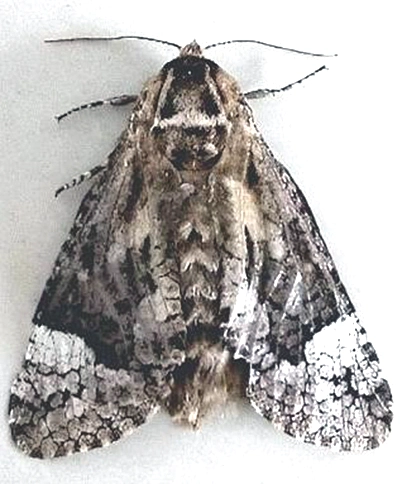
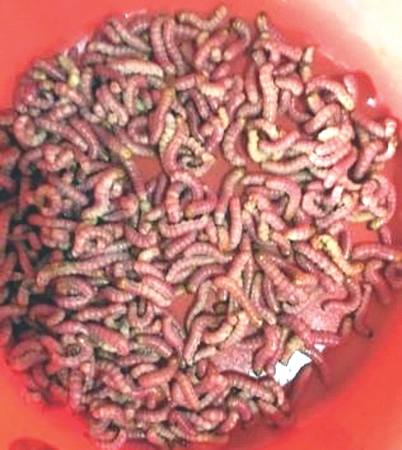
The study identified Lünyi– the larval stage of an oak borer moth and a traditional delicacy widely consumed in Nagaland– as Chinocossus acronyctoides (Lepidoptera: Cossidae) through morphological examination and DNA-based analysis. Using DNA barcoding of the mitochondrial cytochrome c oxidase subunit I (COI/COX1) gene, the researchers confirmed the species’ identity. The DNA sequence has been deposited in the National Center for Biotechnology Information (NCBI) GenBank database under accession number PP358253, providing a reference for future biodiversity studies.
Phylogenetic analysis further confirmed the species’ close relationship with other Asian cossid moths and supported its taxonomic classification. The study noted that Chinocossus acronyctoides is also found in China and Vietnam. The research also analysed volatile organic compounds (VOCs) produced by Lünyi larvae using Solid-Phase Micro-Extraction coupled with Gas Chromatography-Mass Spectrometry (SPME-GC-MS), identifying several naturally occurring saturated and unsaturated fatty compounds.
Laboratory tests showed that extracts from the larval volatile compounds exhibited antibacterial activity against Staphylococcus aureus, Bacillus subtilis, Escherichia coli, and Klebsiella pneumoniae, indicating potential for future antimicrobial drug research.
The findings, published in an international scientific journal, have also resulted in the grant of a patent based on the insect’s antibacterial properties.
Conducted under the supervision of Dr. Prabhakar Maddela at the Department of Chemistry, Nagaland University, the study highlights the scientific and biotechnological potential of indigenous biological resources and underscores the importance of documenting traditional knowledge for biodiversity conservation, natural product chemistry and antimicrobial research.