
Correspondent
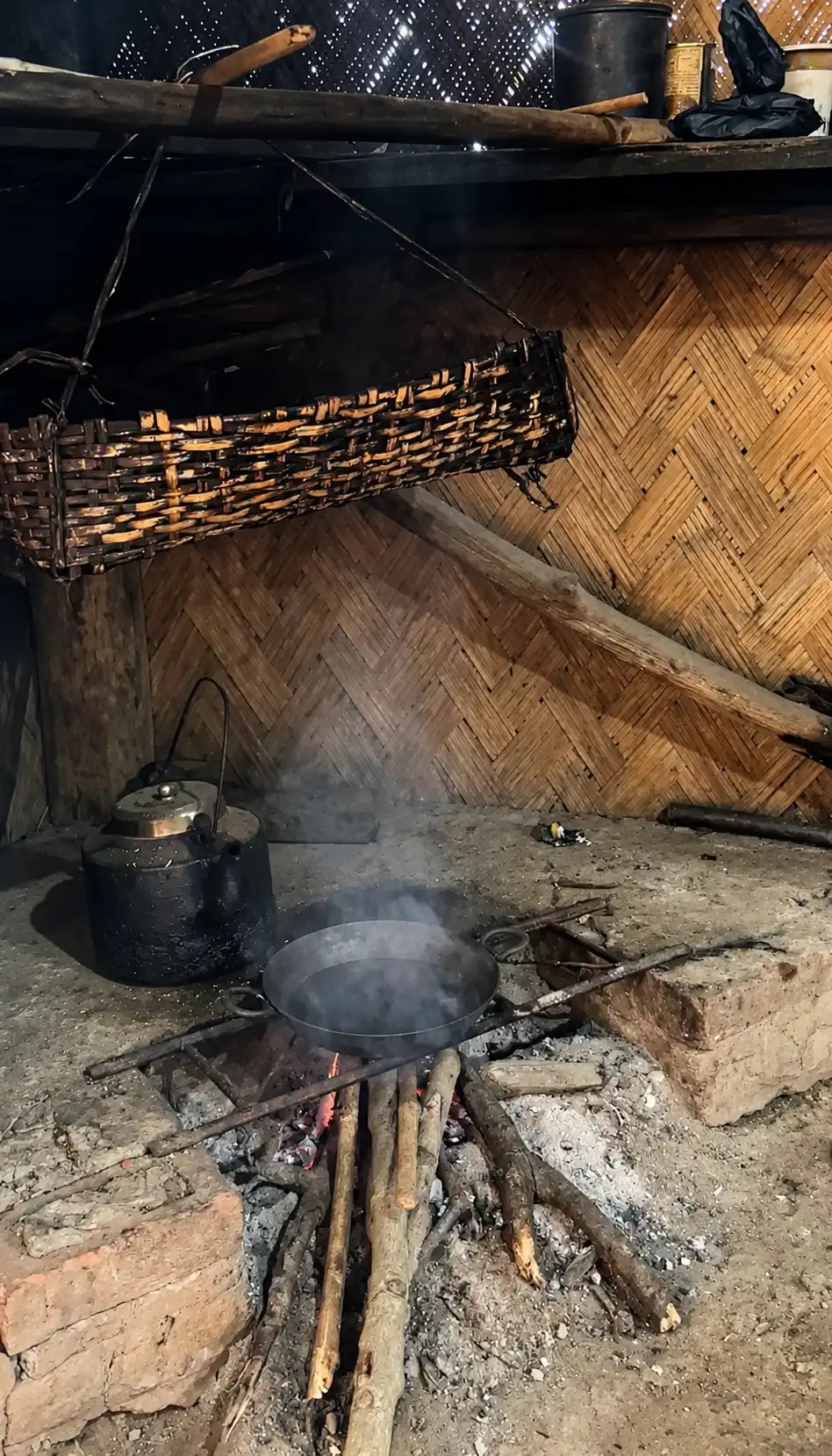
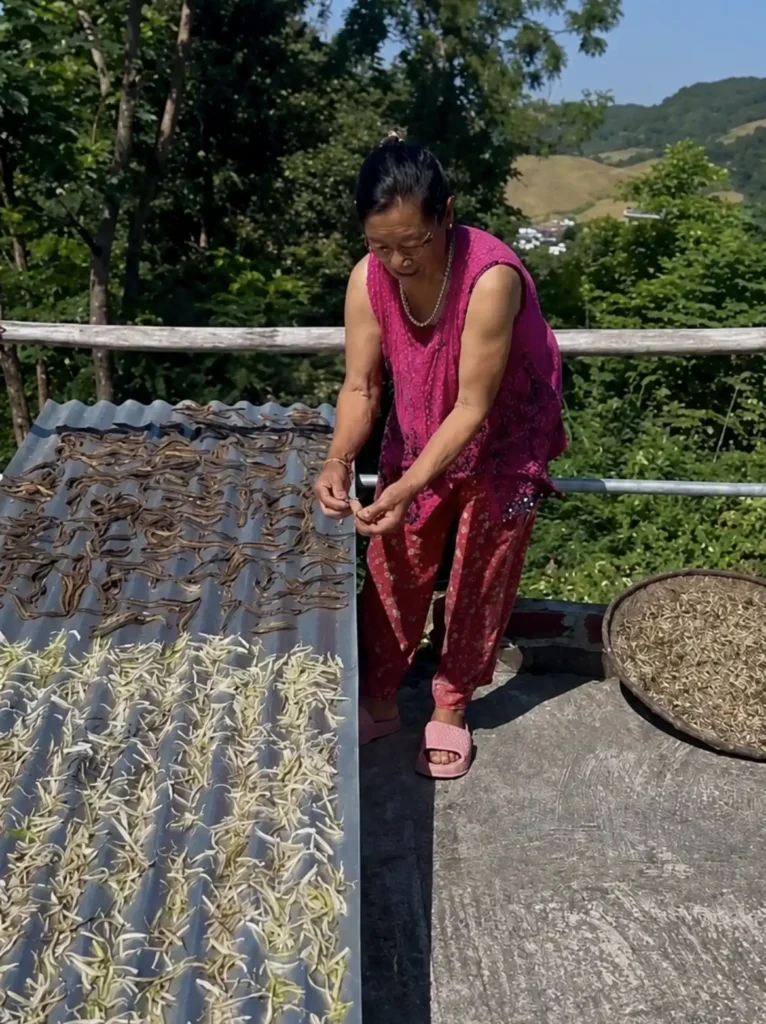
WOKHA, MAY 11 (NPN): Long before modern refrigeration became common, the Lotha community relied on sun drying, smoking and fermentation to preserve food and sustain households through the year. These practices, deeply rooted in everyday life, enabled families to make use of seasonal produce long after harvest.
Even today, many Lotha households continue these methods, particularly during September and October when harvesting peaks. Families dry taro leaves and stems, roselle, beans, bamboo shoots, basil and other herbs, while bamboo shoots and extracts are fermented and stored for later use.
Over time, these preserved ingredients have become integral to Lotha culinary culture, adding flavour and a distinct traditional touch to meals. Almost every kitchen continues to use one or more preserved items throughout the year.
Beyond sustenance, the practices reflect the sophistication of Naga culinary traditions, with precise cooking terms and techniques passed down through generations. Smoking, for instance, often combines preservation with ageing and fermentation, creating unique flavours that remain central to indigenous food culture.
Economically, preservation reduces wastage and ensures food availability during off seasons when market prices rise. It also embodies sustainability, a concept long practised by ancestors who lived resourcefully without losing cultural essence.
For many families, preserving seasonal produce is not only about food but also about safeguarding identity and tradition. These simple kitchen practices continue to reflect the wisdom and adaptability of generations past.