
Trans rights activists have termed as regressive the proposed Transgender Persons (Protection of Rights) Amendment Bill, 2026, warning that it could undermine the identity, dignity and equality of such people.
The Transgender Persons (Protection of Rights) Amendment Bill was introduced by Social Justice and Empowerment Minister Virendra Kumar on Friday.
The proposed amendment has triggered criticism from members of the community who say it departs from principles laid down by the Supreme Court in the landmark National Legal Services Authority vs Union of India.
Transgender rights activist Akkai Padmashali told PTI, “This bill is so stupid. This is so regressive. This is so anti-transgender, intersex people and highly unacceptable.” Padmashali said the provisions could further marginalise the community and create conditions that stigmatise transgender persons. “The major problems in the bill are that it has made the transgender community much more vulnerable and also suggests that we are being made re-criminals before the Constitution…”
She added that the 21st century is supposed to be about mainstreaming people’s issues and not putting them in jail or harassing them in the name of the state. Padmashali also objected to what she described as the narrow recognition of identities in the proposed framework.
“Accepting only cultural and traditional identities of Hijra, Kinner, Jogappa and Jogta and using the term eunuch is unacceptable. Eunuch is a derogatory term that has come from colonial times and does not represent the diversity of gender identities that exist today. Apart from traditional communities, there are many people who identify as intersex, female-to-male transgender, gender queer and other identities,” she said. Padmashali also criticised the proposal for medical authorities to determine gender identity.
“Why should our identity be assessed by doctors or magistrates? I am not okay with it. We will fight this and challenge it before the court,” she asserted.
Activist Meera Parida said the proposed amendments could infringe upon constitutional rights and create practical challenges for transgender persons.
“It doesn’t at all align with constitutional rights — it infringes on our right to privacy. If you look at the section they want to bring in, it takes away our right to bodily autonomy and to live a life with dignity, all of which was recognised by the court in the NALSA judgment of 2014.”
She said the provisions on verification of gender identity could create serious complications in accessing documents and healthcare.
“This has a lot of difficult consequences for the trans community, in terms of documents, how they want to live and access to health care. The language of the proposed bill sees trans people as criminals and also attempts to corner people who are trying to assist them in living a life of dignity and accessing gender-affirming care,” Parida told PTI.
The activist said the bill has already triggered anxiety within the community, and she has been getting calls from its members querying her about documents, the transition process and the impact on their lives if such a law comes into force. Parida called for the withdrawal of the bill and said the government should instead engage with the community before introducing legislative changes.
“Listen to their experiences and then make any changes,” she said.
Raghavi S, the first transgender woman to practise as a lawyer in the Supreme Court, said the proposal undermines the right to self-identification recognised in law.
“The 2019 law talks about self-declaration of identity, and the NALSA judgment clearly recognised the right of transgender persons to self-identify their gender. But this bill interferes with a person’s ability to obtain identity documents based on their own identity,” Raghavi told PTI.
She said the community fought long legal battles for recognition and rights, and the amendment serves as a major setback. “If this bill becomes law, it will affect our daily lives.”
Referring to historical narratives of gender diversity, she pointed out the contradiction between cultural references and the proposed system of verification.
“People often cite mythology and say gender diversity existed in ancient times. In the Mahabharata, there is the example of Shikhandi. But today, the government is saying that a medical committee will decide who we are. How will doctors measure a person’s feelings, identity or choices?” she said.
According to the lawyer, the amendment could violate fundamental rights and silence transgender voices. “It is almost like putting a lock on our voices and forcing us to hide our identity and our lives,” she said.
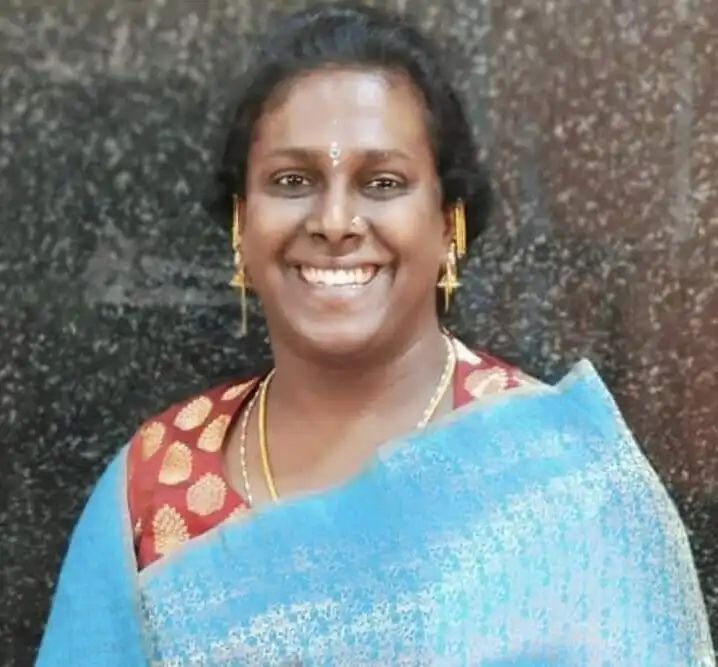
Trans activists slam proposed amendment bill, call it regressive
New Delhi, Mar 15 (PTI):