
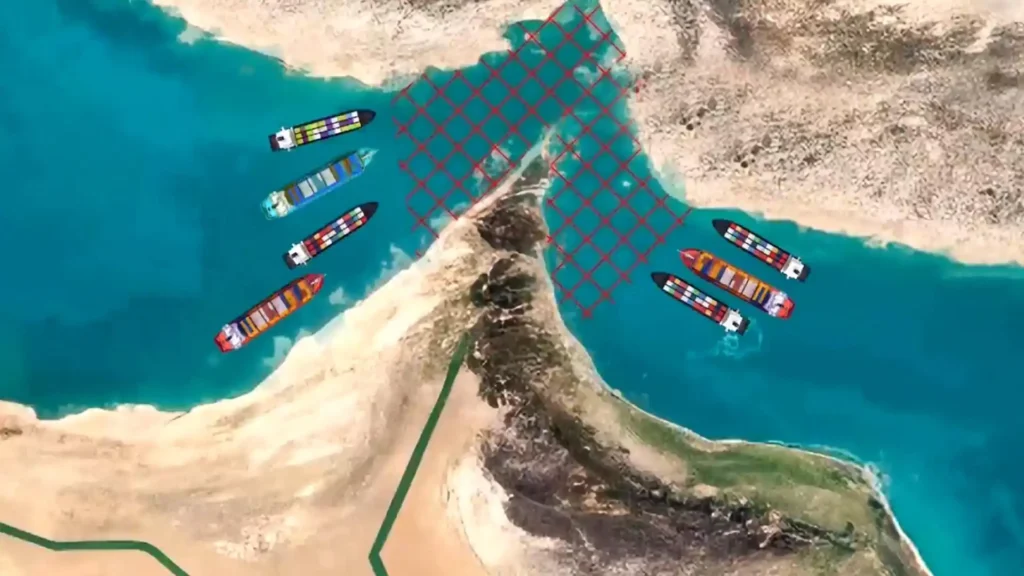
Strait of Hormuz, one of the world’s most vital energy corridors, has been effectively closed to most commercial shipping as tensions escalate in the U.S.-Israel war with Iran. Tehran’s new Supreme Leader, Mojtaba Khamenei, has vowed to maintain the blockade as leverage against what he calls “aggressors,” though limited passage has been granted to vessels from friendly nations such as India.
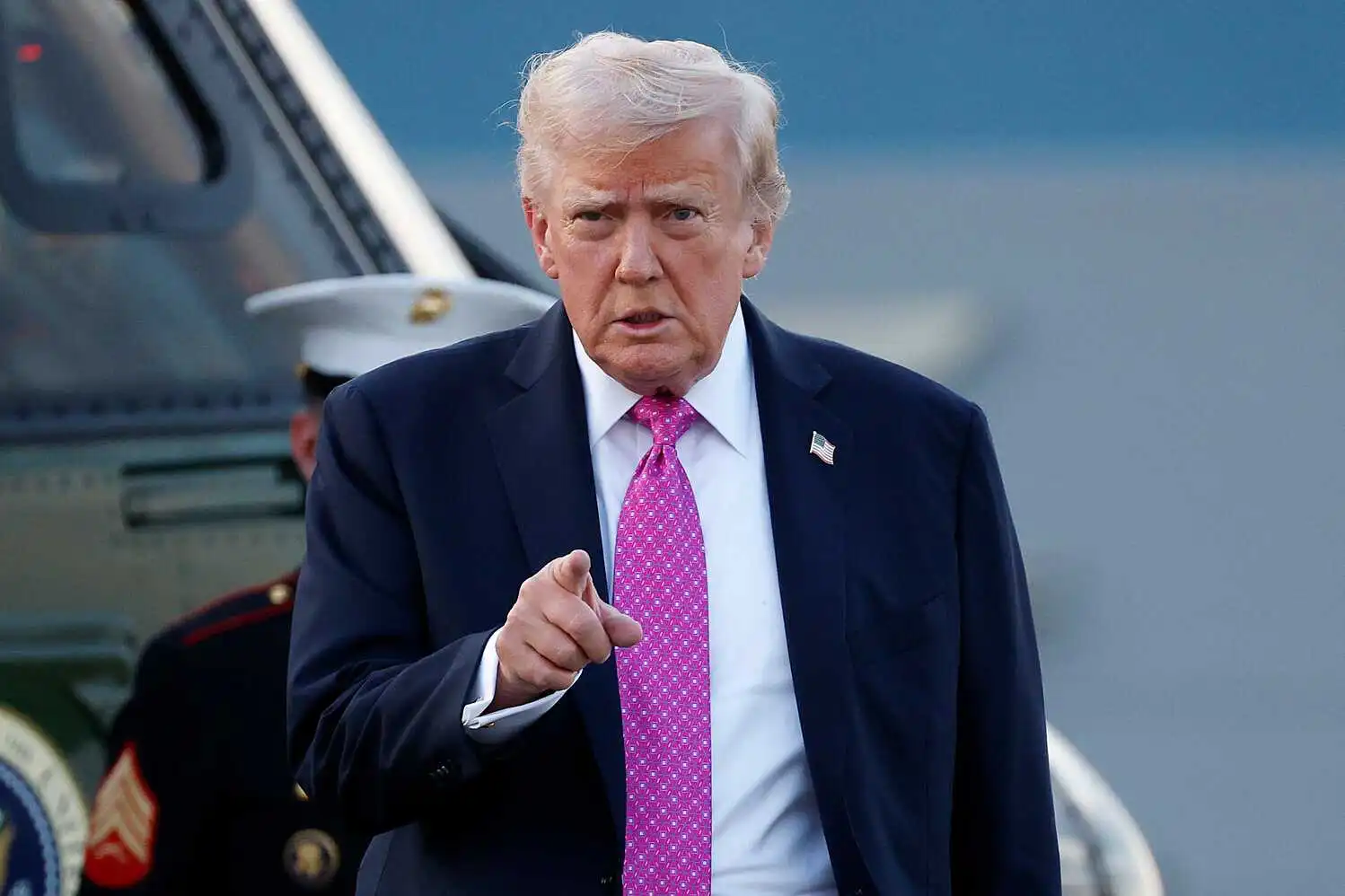
President Trump said Saturday he “hopes” countries affected by the closure — including China, France, Japan, South Korea, and the UK — will deploy warships to help secure the waterway. He added that U.S. forces would continue bombing Iranian shoreline positions and targeting boats to ensure the strait remains “OPEN, SAFE, and FREE.”
The Strait of Hormuz handles roughly 20 percent of global oil and liquefied natural gas shipments. Since the conflict began on February 28, Iranian forces have attacked at least 16 merchant vessels using drones, missiles, and speedboats. Daily traffic has plunged from more than 150 vessels to a handful, driving oil prices sharply higher and prompting insurers to raise premiums up to sixfold.
The Islamic Revolutionary Guard Corps (IRGC) has threatened to strike vessels belonging to U.S. and Israeli allies, while expanding attacks on Gulf neighbors.
Meanwhile, a senior Iranian official told CNN, that Iran may allow a restricted number of oil tankers to pass through the Strait of Hormuz if shipments are traded in Chinese yuan.
US rebuffs talks to end Iran war: US President Donald Trump’s administration has rebuffed efforts by Middle Eastern allies to initiate diplomatic negotiations to end the Iran war that began two weeks ago with a massive US-Israeli air assault, according to three sources familiar with the matter. Iran, meanwhile, has rejected any ceasefire until US and Israeli strikes stop, two senior Iranian sources told Reuters, adding that several countries have been attempting to mediate the conflict.
Earlier this week, Iranian President Masoud Pezeshkian signalled Tehran may return to negotiations under strict conditions. Iranian officials said talks with Washington would resume only if Iran’s sovereign rights are recognised, reparations are paid for war damage, and firm guarantees are given against future military aggression.
However, reluctance in both Washington and Tehran suggests the conflict may persist, even as civilian casualties mount and Iran’s closure of the Strait of Hormuz drives oil prices higher.
The war has killed more than 2,000 people, mostly in Iran, and halted maritime traffic through the Strait of Hormuz, which carries about one-fifth of global oil supplies. As US bombing intensified, Tehran launched fresh drone and missile strikes on Israel and Gulf neighbours including Saudi Arabia, Qatar and the United Arab Emirates.
Separately, Trump rejected a proposal by Russian President Vladimir Putin to move Iran’s enriched uranium stockpile to Russia, according to Axios.