
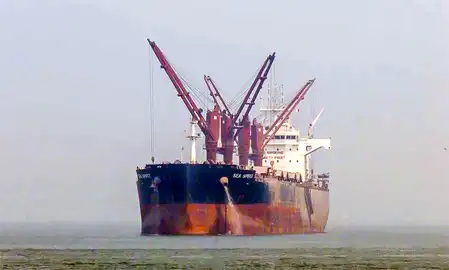
A new report highlights that the US Navy’s blockade of Iran has intensified economic pressure on Tehran, even amid a temporary ceasefire, while simultaneously disrupting China’s access to cheap Iranian crude. According to Sky News Australia, China had been purchasing discounted oil through a covert financial system and a fleet of “ghost tankers” operated by Iran’s Islamic Revolutionary Guard Corps (IRGC). The network relied on shell companies, rotating ship identities, and shadow banking corridors to funnel oil revenues outside formal channels.
The report notes that while earlier US actions targeted individual aspects of this clandestine system, the current strategy aims to dismantle the entire network. China’s “teapot refineries” processed most of Iran’s exports, using shadow banking and third‑country intermediaries to conceal origins and settle payments in dollars. This arrangement provided the IRGC with hard currency to finance weapons transfers to regional proxies such as Hezbollah, Hamas, and the Houthis. Analysts suggest Beijing also used Iran as a “rehearsal space” to test evasion methods for potential wider use against US sanctions.
The blockade has dealt a major setback to this ecosystem. The US recently sanctioned 35 entities and individuals linked to Iran’s shadow banking system, targeted 19 shadow fleet vessels, and warned companies paying IRGC tolls for Strait of Hormuz passage. The report observes that China benefited from steep discounts while simultaneously stress‑testing financial infrastructure it could deploy in a Taiwan crisis, but the crackdown has now placed the entire network under severe strain.