
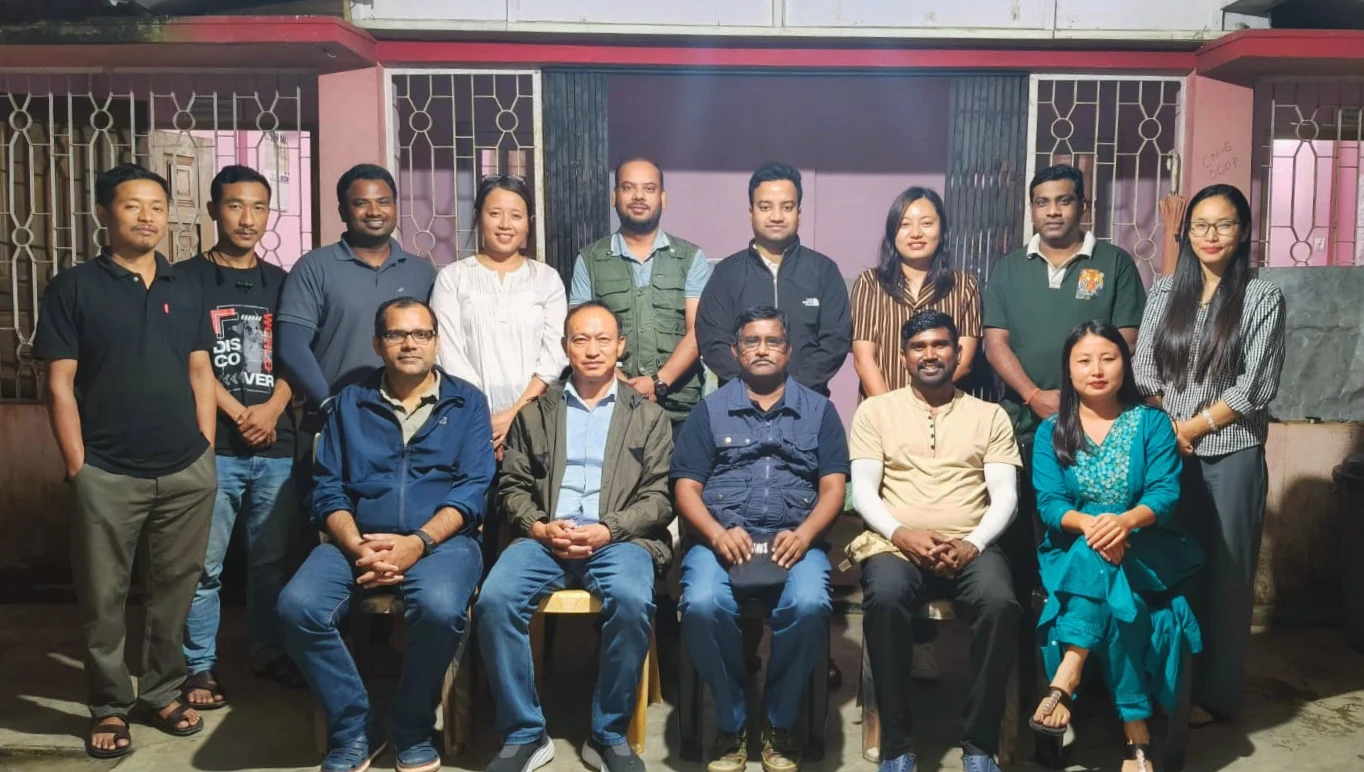
DIMAPUR: As part of Wildlife Week 2026, LEMSACHENLOK organised a knowledge exchange and discussion with a team from the Zoological Survey of India (ZSI), led by Senior Scientist-E, Dr. D. Suresh Chand, focusing on the rich biodiversity of Nagaland and the need for strengthened documentation, research, and conservation efforts in Longleng district.
According to a press release, the interaction brought together experts from ZSI Kolkata and LEMSACHENLOK to deliberate on the present status of wildlife, existing knowledge gaps, community participation, and opportunities for collaboration. Discussions highlighted the importance of developing and strengthening the faunal database of the state, particularly for mammals, birds, and other vertebrate groups.
The ZSI team shared that published data and scientific information could be made accessible to support local conservation initiatives, helping identify species requiring special attention and assisting in understanding the distribution and conservation status of endangered species. It was noted that several less explored areas in Nagaland still require systematic studies, with significant gaps remaining in unsurveyed regions.
The interaction also reflected on the changing relationship between communities and wildlife, noting that while hunting was once common, growing awareness has contributed to a gradual shift in attitudes. Emphasis was placed on the role of Village Councils (VCCs) and community institutions in facilitating conservation activities, research, and responsible access to community managed landscapes.
Participants stressed the need to strengthen People’s Biodiversity Registers (PBRs) at the community level, documenting locally observed species with details such as observer name, date, location, photographs, habitat, and vegetation type. Recognising the role of NGOs in sensitisation and community engagement, the ZSI team expressed willingness to support LEMSACHENLOK in knowledge sharing, technical guidance, and capacity building.
The LEMSACHENLOK team also highlighted the need to look beyond commonly studied groups and undertake in depth studies of microorganisms, vertebrates, and wetland ecosystems. Identification and documentation of larger water bodies requiring special conservation attention were suggested. School level awareness programmes were emphasised, with creative activities such as drama under the Biodiversity Ambassador’s Network (BAN) aimed at nurturing conservation culture among children.
Meanwhile, LEMSACHENLOK, led by Y. Nuklu Phom, and Kalpavriksh Pune, led by Neema Padak Broome, convened a community stakeholders’ discussion on the “Territories of Life” Self Strengthening Support Programme, reinforcing grassroots strategies to protect, restore, and sustain biodiversity and biocultural heritage. The collaboration sought to connect local biodiversity mapping with national frameworks defending Indigenous rights and knowledge.
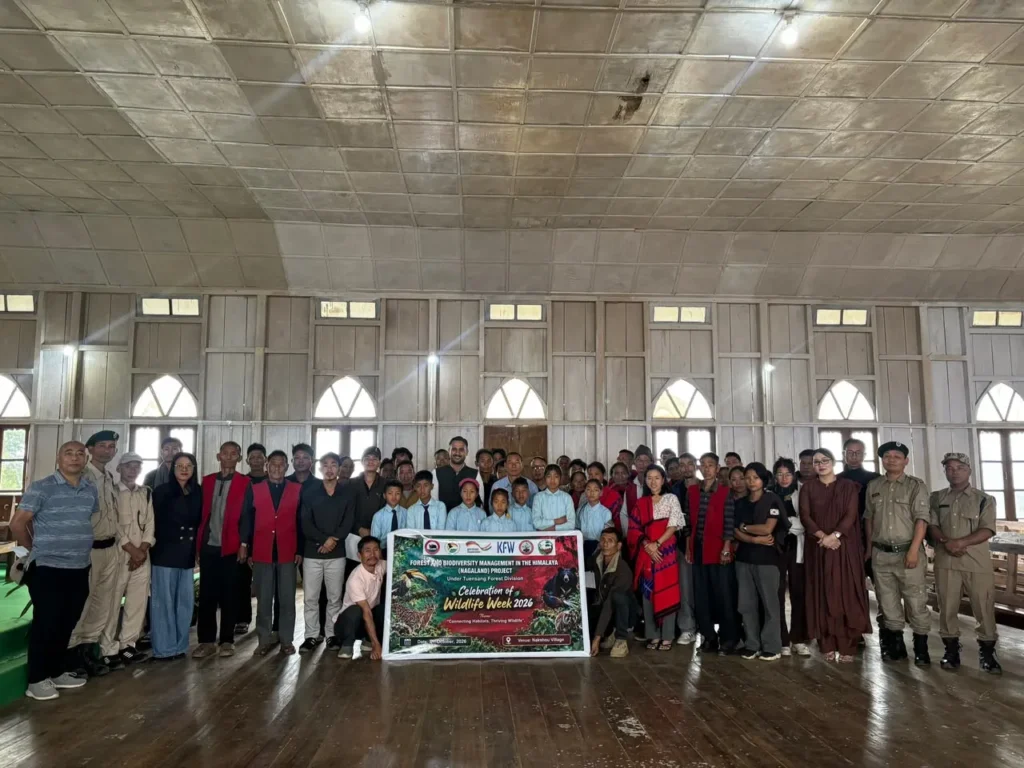
Meanwhile, Tuensang Forest Division celebrated Wildlife Week 2026 at Nakshou Village under the Forest and Biodiversity Management in the Himalaya (Nagaland) Project on October 5.
The programme, chaired by Ngaku Somba, FGD, began with an invocation by B. Akhong, Pastor, and a welcome note by Akhang Jongshi, VCC Nakshou. Delivering the keynote address, Dr. Prabhat Kumar, DFO Tuensang, highlighted the importance of protecting wildlife and conserving biodiversity, stressing collective responsibility and stronger community participation.
Competitions in Poster Making and Best CCA Conservation Display were organised, showcasing creativity and conservation initiatives. A Project Impact presentation by the CCA Committee highlighted contributions and outcomes of community based conservation activities.
Results were announced and prizes distributed, recognising enthusiastic participation. The programme concluded with a closing note by Sichola, FcOM, benediction by Mungla, APW, followed by a group photograph and lunch, bringing together officials, community representatives, and participants in a spirit of collective commitment towards wildlife and biodiversity conservation.